
Facing a foreclosure auction is a lot to carry, and the foreclosure timeline alone can feel murky. If you own a house in Cleveland, OH, the question that keeps you up at night is simple. How long do you actually have before you must leave the property after the sale? This guide walks through the eviction process that follows a foreclosure auction. It gives homeowners the knowledge to move through a hard stretch with their footing intact. State law and local rules both matter here. Knowing your rights and your responsibilities is what lets you plan the exit on your terms instead of someone else’s. That legal clarity is worth a lot during a stressful time.
By shedding light on applicable state and local laws, as well as your rights and responsibilities, we offer actionable insights to help you transition smoothly while safeguarding your interests during this stressful time. If you’re hoping to avoid the foreclosure process altogether, Cleveland House Buyers offers a quick, hassle-free solution — allowing you to sell your Cleveland house fast for cash before the auction ever takes place.
Key Highlights
- Foreclosure in Cleveland, OH, involves a complex series of legal steps, from the issuance of the default notice to the auction sale.
- Ohio sheriffs oversee foreclosure sales, ensuring auctions adhere to legal standards.
- Following a post-foreclosure auction, occupants typically have 30-45 days to vacate.
- Eviction processes following the auction include potential legal rights to delay or negotiate exit terms.
- Resources like housing counseling and legal aid help former homeowners transition smoothly.
Understanding the Foreclosure Process in Cleveland, OH
The foreclosure process in Cleveland moves through several distinct steps, and homeowners do themselves a favor by learning each one early. It starts when a lender takes legal action over an unpaid mortgage. From there, Ohio foreclosure law routes the case through the common pleas court, and the outcome carries real weight for the homeowner. Knowing how the stages of the foreclosure process fit together, from the first notice to the auction, takes some of the fear out of it. Familiarity with the foreclosure timeline and the local legal system matters most for any homeowner staring down a possible loss of their property. Ohio runs a judicial foreclosure process, so a judge signs off on each stage. That legal oversight hands homeowners clear checkpoints where they can still act.
Key Steps of Home Foreclosure in Cleveland, OH
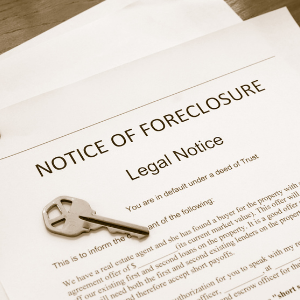
The foreclosure process in Cleveland usually starts the moment a homeowner misses mortgage payments. After a few are missed, the lender sends a Notice of Default. That notice is a real chance to catch up and stop the slide before it hardens into a foreclosure lawsuit. If the debt stays unpaid, the lender can file that foreclosure lawsuit in the Cuyahoga County Court of Common Pleas to recover what’s owed.
When the court reviews the case and sides with the lender, a judgment of foreclosure is entered. That judgment sets up a sheriff’s sale or foreclosure auction, usually scheduled within 30 to 60 days. Homeowners still have room here. During that window you can reinstate the loan or pay off the balance and stop the foreclosure cold before the auction lands.
Auction day is straightforward on paper. The property is sold to the highest bidder under the court’s supervision, and the proceeds go toward the mortgage debt. Ohio’s redemption laws sometimes give homeowners a short window to reclaim the property by paying the full amount owed before the sale is finalized. It’s narrow, but it exists.
Knowing each step of the process lets homeowners act fast, weigh their legal options, and sometimes hold onto their homes. Move early, get good guidance, and you can blunt the financial damage. Even when foreclosure can’t be stopped, an earlier start makes the transition that follows a lot less brutal for the homeowner.
Understanding each stage — from notification to the foreclosure auction — helps residents prepare for what’s ahead. And for those who want to avoid foreclosure in Cleveland, Cleveland House Buyers offers a fast and fair alternative. The company specializes in buying houses for cash in nearby cities like Parma, Lakewood, Euclid, and Garfield Heights, helping homeowners close quickly and move on without the stress of court proceedings or bank delays.
The Role of the Ohio Sheriff in a Foreclosure Sale
Across Cleveland and Cuyahoga County, the Ohio sheriff’s office runs the actual foreclosure sale. Once the court hands down a judgment of foreclosure, the sheriff carries out the sale order and keeps the auction inside the lines that Ohio law draws.
Those duties are concrete. The sheriff advertises the foreclosure auction, manages the bidding, and transfers ownership of the property to the winning bidder. That’s what keeps the whole process transparent, fair, and squared with Ohio foreclosure law.
Understanding the sheriff’s responsibilities helps Cleveland homeowners know what to expect during the foreclosure process. With this insight, they can prepare for upcoming steps, seek legal guidance if needed, and make more informed decisions about their next move. Can an Executor Sell Estate Property also becomes an important question in situations involving inherited or probate-related homes, making it even more essential for families to understand their rights and responsibilities during any legal or financial transition.
What to Expect During the Sheriff Sale in Cleveland, OH
A sheriff sale is the last act of the foreclosure process in Cleveland, the point where the property is sold to cover the unpaid mortgage debt. The Cuyahoga County Sheriff’s Office runs these public auctions under the court’s supervision. Beforehand, the office advertises the property in local papers and online. Buyers know it’s coming.
On auction day, the foreclosure sale usually happens at the Cuyahoga County courthouse or another approved spot. Investors and private individuals alike can bid on the property. The highest bidder becomes the new owner, pending the court’s confirmation of the sale.
After the gavel falls, the sheriff’s office wraps things up. It transfers the deed to the winning bidder and closes out the remaining legal steps. If someone still lives in the property, the sheriff may later handle post-sale eviction under Ohio’s guidelines.
For the homeowner losing the property, this knowledge is practical. Knowing when the sheriff sale happens and what follows in the process eases the guesswork. It buys you time to get ready for the auction and the transition after it.
What Happens After a Foreclosure Sale in Cleveland, OH
Once the foreclosure sale in Cleveland is over, most homeowners want one answer. How long until they have to leave the property? The foreclosure process doesn’t stop at the auction. Several steps still follow in the process, and together they decide when and how the homeowner moves out.
After the Cuyahoga County Sheriff’s Office completes the sale, the winning bidder, often an investor or the lender, earns the right to ownership. Full possession of the property takes longer, though. The court still has to finalize the transfer of title and confirm the sale. That can run several weeks.
You may keep limited occupancy rights during that gap, depending on Ohio’s foreclosure and eviction laws. The exact timeline for leaving the property shifts from case to case. Understanding the legal steps cuts the stress and lets the homeowner get ahead of the process. Negotiate for more time, line up relocation help, or call a lawyer. Whatever you choose, moving first beats reacting, and it makes the transition easier.
Timeline to Move Out After a Foreclosure Auction

The new owner usually gets rights to the property once the court confirms the sale, and evicted occupants get 30 to 45 days to leave. After the foreclosure auction in Ohio, previous owners have 30 days to clear out of the property. That said, a few things can shift the clock. The legal process in Ohio moves at its own pace, and the steps after the auction rarely happen overnight.
- Redemption periods, where they apply, can let homeowners settle the balance and reclaim the property.
- An active bankruptcy case can put the eviction on automatic hold.
- Settling with the new owner can also buy the evicted occupants extra days, especially if they’ll leave the property in good shape.
Facing eviction after foreclosure? Talk to a lawyer who works in real estate or foreclosure. They’ll spell out your legal rights, open payment negotiations with the lender or buyer, and sort out any leftover debts. Some homeowners land a cash for keys arrangement, where the new owner pays for a clean, on-time exit from the property.
A little planning goes a long way, and it pays to start sooner than feels necessary. Start sizing up your moving date now, scout rentals in Cleveland and the towns around it, and reach out to local rental agencies at least six months ahead. Know your legal deadlines, act before formal eviction proceedings start, and the move to your next place gets much smoother.
The Eviction Process Following a Foreclosure Auction in Cleveland, OH
What happens after a foreclosure auction matters enormously for Cleveland homeowners, and eviction sits right at the center of it. The winning bidder, an investor, or the original lender can take possession of the property once the auction ends. Here’s the hard part for former owners. They might stay in the property for a set stretch, but eventually they have to hand it over completely.
A specific set of legal steps governs this post-sale phase and spells out what an occupant must do to surrender the premises. Learn how the eviction process works and the transition gets smoother and easier to plan, instead of tangled and full of dread. Being proactive puts homeowners back in the driver’s seat and softens the emotional and practical blows that foreclosure tends to bring. Ohio law lays out the eviction process step by step, and knowing those legal beats early keeps the transition from turning chaotic.
Legal Steps and Homeowner Rights After Foreclosure
In Cuyahoga County, a property owner has to go through the formal eviction process to take full possession after a foreclosure auction in Ohio. The owner files a motion in the Common Pleas Court for a possession order on the property. That order is the legal green light for the sheriff to remove occupants who won’t leave the property. It’s a formal legal process, not a quick knock on the door.
Once the order is granted, the Cuyahoga sheriff serves a three-day notice. It gives the former occupants a short runway to vacate the premises. Miss that deadline and forced eviction of the property follows.
Either way, homeowners in Ohio hold certain rights that can pause or stretch the eviction process. A few examples:
- An eviction order can be legally stayed, which buys a homeowner more time before leaving the premises.
- A sharp attorney can spot legal defenses or procedural slip-ups that lengthen the eviction process.
- Homeowners can strike cash-for-keys agreements, where the property owner pays the occupant for a prompt move-out.
These legal options help people keep their dignity through a rough stretch. Talk to a foreclosure attorney, or reach the Legal Aid Society of Cleveland and similar local legal aid groups, because their help is genuinely worth having. Knowing your legal rights and responsibilities as a homeowner changes the whole picture, and it can reshape how the eviction process plays out for the occupant. Learn the shape of a foreclosure sale early, and the nasty surprises mostly disappear while your odds improve.
Tips for Navigating the Transition After a Foreclosure
A foreclosure transition wears on you, emotionally and financially both, yet Cleveland residents have real tools to lighten it. Community support, legal resources, and a plan you actually give time to can help former homeowners find their feet again after foreclosure.
If foreclosure has hit your Cleveland home, mapping the next moves is the whole game. Start by pinning down your housing options, whether that’s rental assistance, a temporary place, or a government-backed relocation. Keeping the lines open with your old mortgage holder or the new property owner can also spark an extension or a cash-for-keys agreement that pays for access during the ownership handoff.
Yes, this stretch is hard. It’s also a genuine reset, a chance to sort through the financial, legal, and community resources on offer and start former homeowners on fresh ground for the transition ahead.
Resources Available to Former Homeowners in Cleveland, OH

Plenty of help exists for Cleveland residents working through the aftermath of foreclosure, and it smooths both the transition and the recovery. None of it costs much, and most of these groups are used to walking families through the hardest weeks, one practical question at a time, without judgment and without a fee.
Counseling services for people facing homelessness serve Cleveland residents directly. They help with budgeting and credit repair and steer clients toward affordable rentals. CHN services also build housing plans and support the search for long-term homes.
Rental assistance shows up through government-funded housing programs, including HUD-approved ones, alongside relocation aid and financial education that helps residents take back control of their money.
Old legal issues tied to a foreclosure can resurface later. Smart move: consult a foreclosure attorney about your legal rights and obligations around the eviction, the timelines for redeeming the property, and any commitments still hanging on afterward.
Legal aid organizations in Cleveland offer free or reduced-cost legal services, guiding clients through eviction and negotiation while they regain their footing.
Community-based groups across Cleveland carry a lot of the recovery load after foreclosure.
- The Cleveland Public Library runs workshops on financial literacy, credit management, and stabilization, all of which feed economic recovery.
- Support groups through Neighborhood Family Practice and other organizations give people in foreclosure both practical help and a shoulder to lean on.
- Local nonprofits frequently run seminars built to help communities regain financial control and set fresh, sustainable goals.
Grasping the foreclosure and eviction timeline in Cleveland, OH, puts homeowners in a position to make smart calls during a rough process. No two foreclosure cases are identical, and the legal wrinkles shape how long eviction takes after the auction. A sharp Cleveland real estate attorney or foreclosure expert can tailor guidance to your exact situation after the foreclosure sale. Manage the post-foreclosure stretch on purpose, and you’ll move through transitional housing and your next steps with steadier footing during a genuinely stressful time.
Frequently Asked Questions
What is the process of foreclosure in Cleveland, OH?
The foreclosure process in Cleveland, OH, starts when a borrower defaults on their mortgage loans. The lender sends a notice of default, and if it goes unpaid, files a foreclosure lawsuit in the Common Pleas Court. Once the court process wraps, the property heads to auction.
What happens after a foreclosure auction in Cleveland?
After a foreclosure auction closes, the winning bidder gains rights to the property. Former homeowners usually have 30 to 45 days to vacate, though that timeline can shift with legal rights and any negotiations with the new owner.
How does the eviction process work after foreclosure in Cleveland, OH?
The post-foreclosure eviction process starts when the new property owner files a motion for a writ of possession in the common pleas court. Once it’s granted, the sheriff can enforce the eviction.
What resources are available to help homeowners in Cleveland transition after foreclosure?
Cleveland homeowners can tap housing counseling services, legal aid, and community organizations that run financial literacy workshops and rental assistance programs, all aimed at easing the transition after foreclosure.
Can former homeowners delay eviction after a foreclosure auction in Cleveland?
Yes. Former homeowners can sometimes delay eviction through legal defenses, negotiations, or redemption periods, each of which may add time before they have to vacate the property.
Cleveland House Buyers is dedicated to helping homeowners overcome challenging situations, such as foreclosure, by offering fast, fair cash offers and flexible closing options — making it easy to sell your house quickly and move forward with peace of mind. Contact us at (440) 577-6552 today to learn more about how we can assist you.
Helpful Cleveland Blog Articles
- How to Sell a Hoarder House in Cleveland, Ohio
- A Cleveland Home Amidst A Pending Lawsuit
- How To File Quit Claim Deed In Cleveland, Ohio
- Selling A House With Mold In Cleveland, Ohio
- How to Sell a House With Code Violation in Cleveland, OH
- Selling Your Home By Owner In Cleveland, Ohio
- Attorney Fees For Real Estate Closings In Cleveland, Ohio
- Sale of a Lien-encumbered Property In Cleveland, Ohio
- How To Sell Your Cleveland Home Below Market Value
- How to Sell a House Without a Realtor in Cleveland, Ohio
- How To Sell An Inherited House In Cleveland, Ohio
- Selling A House In Poor Condition In Cleveland, Ohio
- Can You Sell A House With A Mortgage In Cleveland, Ohio
- Guide To Selling Your Cleveland Home With A Reverse Mortgage
- Selling A House With Asbestos In Cleveland, OH