
What Are the Potential Health Risks of Mold in a House?
Mold can cause serious health problems, especially if it grows unchecked in homes. In Cleveland, the changing weather increases the chances of mold. This section explains how mold affects indoor air quality, the long-term health issues it might cause, and who is more likely to be sensitive to it.
How Does Mold Affect Indoor Air Quality in Cleveland Homes?
Mold harms indoor air quality by releasing spores into the air, which residents can breathe in. This concerns Cleveland homes, where the weather can encourage mold growth. Poor indoor air quality can lead to health issues like respiratory problems and allergies. Mold in Cleveland houses can also lower buyer interest due to concerns over health risks. Keeping good ventilation and having regular checks can help reduce these risks.
Can Mold Cause Long-term Health Problems for Residents?
Live with mold long enough and your health pays for it, especially if you already struggle to breathe. For some people the mold stays a mild nuisance, a bit of sneezing and itchy eyes. For others it hardens into asthma attacks or sinus infections that won’t quit. The longer the mold sits, the worse the health odds, and a few residents wind up needing ongoing health care. That’s the real argument for handling mold problems fast instead of hoping they fade.
Are Some People More Sensitive to Mold Exposure Than Others?
Mold hits some people much harder than others. If you’ve got asthma, allergies, or a weakened immune system, your body reacts to mold more sharply. Coughing, sneezing, watery eyes. Kids and older residents usually feel the mold first. Knowing who’s most at risk from mold under your roof matters, because those are the people you shield first. Clear the mold, clean up the air, and everyone breathes easier, the vulnerable ones most of all.
How Can You Identify Mold Issues Before Selling Your House?

What Are the Common Signs of Mold in a Home?
Selling a house with hidden mold is a gamble for any seller, and mold tends to surface at the worst possible moment. Watch for these mold signs:
- Musty Smell: That damp, earthy odor in a basement or bathroom is often the very first clue.
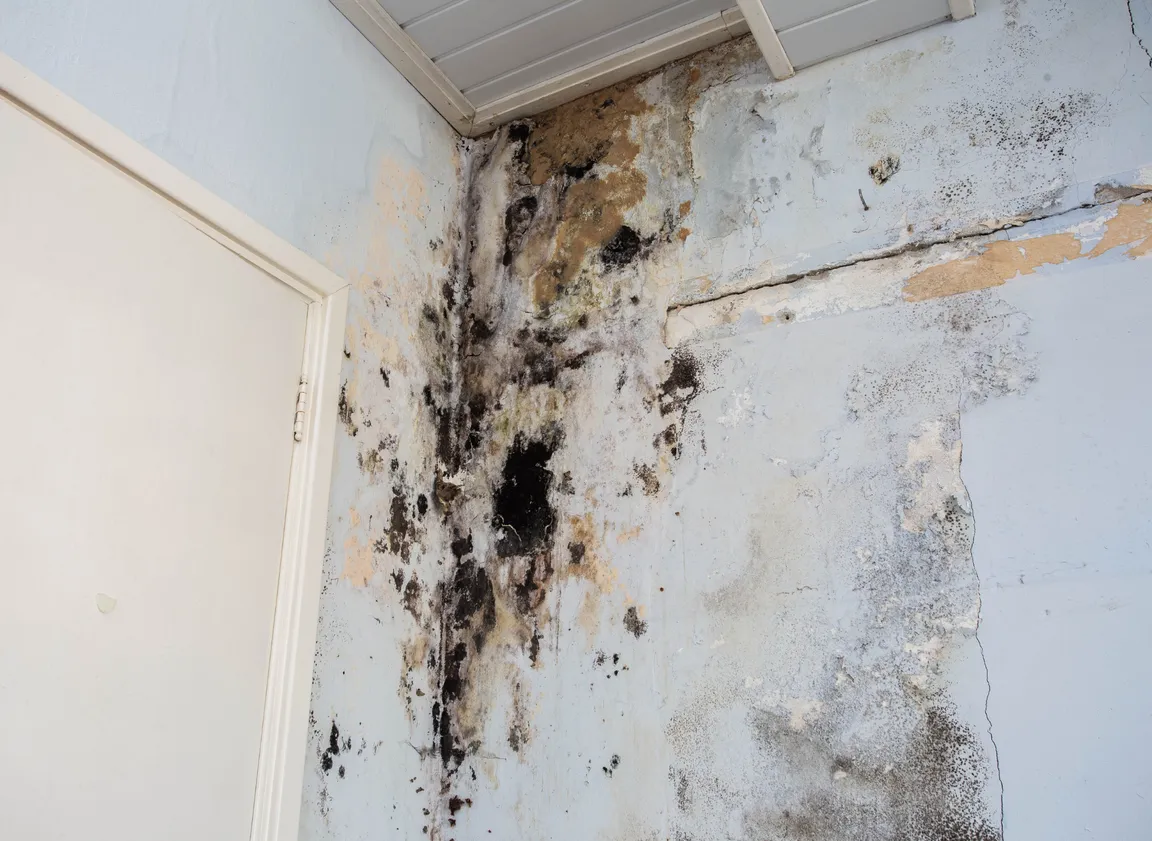
- Visible Mold: Look for black, green, or white patches on walls and ceilings. Any strange discoloration might indicate mold growth.
- Water Stains: Brown marks on drywall or ceilings point to moisture, and moisture feeds mold.
- Allergy-Like Symptoms: Unexplained sneezing, skin rashes, or coughing among the people living there can trace straight back to household mold.
Before your house hits the market, walk it slowly and look for mold. Check the wet, forgotten spots first, the crawl spaces and attics, since that’s exactly where mold likes to hide.
Is a Professional Mold Inspection Necessary for Every Sale in Ohio?
Not every Ohio home sale needs a mold inspection. Still, if you suspect something’s lurking, paying for one is smart. A few reasons it pays off:
- Legal Requirements: Ohio law expects you to disclose known mold before you sell. Skip that legal step and you’re inviting real trouble when selling.
- Expert Opinion: A professional mold inspector can evaluate thoroughly and unbiasedly. They might find mold that you didn’t even know was there.
- Buyer Confidence: A clean mold inspection report puts buyers at ease and tends to move the sale along faster.
Fold a mold inspection into your regular home inspection and you head off nasty surprises, which counts for a lot when selling in Cleveland.
How Can You Use Mold Testing Kits Successfully?
Store-bought mold testing kits can work fine if you use them right. Follow a few basics:
- Select a Good Kit: Choose mold testing kits from reputable brands with positive reviews.
- Read Instructions: Follow every step. Sloppy sampling hands you junk results.
- Test Different Areas: Mold rarely stays put, so sample several rooms.
- Understand the Results: High readings mean it’s time to call a pro for a real assessment and mold removal.
Sorting out mold before you sell your house isn’t optional for a serious seller. Done right, mold removal can lift your home’s value and make the whole home sale smoother. And since mold cleanup costs swing a lot around Cleveland, grab a few quotes before you commit.
What Steps Should Be Taken for Effective Mold Remediation?
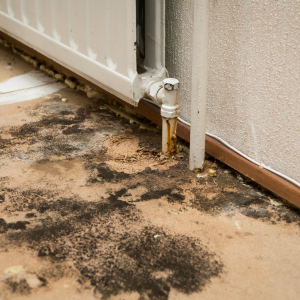
Which ways of getting rid of mold work best in Ohio’s weather?
Mold remediation is important in Ohio because the humid climate encourages mold growth. To handle this, homeowners should use methods suited to local conditions:
- Figure out the type of mold and how far it’s spread. Ohio homeowners who want the full picture should hire a professional mold tester.
- Contain the mold. Negative air machines stop spores from drifting into clean rooms while the work happens.
- Removal: Pull out anything the mold has claimed. Removal prices in Cleveland vary, so spend on quality if you want the mold gone for good.
- Clean and disinfect: Use EPA-cleared products. Fix the underlying dampness too, or the mold simply returns.
- Home Renovation: When the mold damage runs deep, you may have to renovate the affected areas. That’s what thorough mold removal in Cleveland homes sometimes demands.
How Do You Choose a Reliable Mold Remediation Company?
Picking the right mold remediation company separates a real mold fix from a temporary patch. A few pointers for Ohio homeowners dealing with mold:
- Research and Reviews: Read the reviews and ratings for mold removal outfits online. See what neighbors say about the mold crews working around Cleveland.
- Proof of credentials and certification: Confirm the company carries the right licenses. An IICRC credential (Institute of Inspection, Cleaning, and Restoration Certification) signals they take the work seriously.
- Skills and experience: Favor companies that already know Ohio’s damp, freeze-thaw conditions. Ask what they’ve handled before and how it turned out.
- Inspection Services: A solid company offers full mold inspection services around Cleveland. A certified mold inspector in Ohio gets you an accurate read on the problem.
- Transparent Pricing: Ask for an itemized quote with nothing buried. Once you know what mold removal usually runs in Cleveland, comparing companies gets easy.
Should preventative steps be part of mold remediation?
Absolutely. Good mold remediation in Ohio doesn’t stop at cleanup, it keeps mold from ever coming back.
- Address Moisture Issues: Moisture is the root cause of mold, so chase down leaks fast. Basements and roofs are the usual culprits.
- Improve the air flow: Move air through the house to drop humidity and starve mold of what it needs.
- Ongoing Monitoring: Hygrometers let you watch humidity and catch a mold problem before it grows.
- Regular Mold Inspections: Book inspections after big storms or renovations. In this climate, regular mold inspections around Cleveland just make sense.
Stay on top of these and you protect both your family and your home investment.
How Could Mold Impact Your Property Value in Cleveland, Ohio?
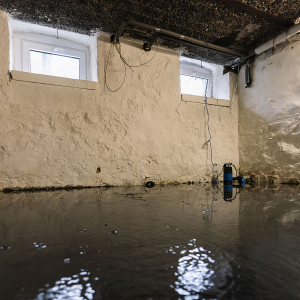
Mold drags down property value in Cleveland, Ohio, plain and simple. Mold makes a home harder to love and weaker on the open market. Property value carries real weight in Cleveland, so understanding how mold hits your property’s market value is worth your time. Every dollar you’ll spend fixing mold in a Cleveland home is a dollar buyers quietly subtract, and the home value slides.
What Are Buyers’ Perceptions of Mold-affected Properties in the Current Market?
Buyers approach mold-affected homes warily, and who can blame them. Around the Cleveland real estate market, mold reads as health hazard plus costly repair, so interest cools. Cleveland home buyers raise it early and often. Many lean on a Cleveland realtor who’s seen mold fights before. Every nervous buyer is one fewer serious offer, which is exactly why sellers should tackle mold up front.
Can Mold Issues Lead to Lower Offers or Failed Sales?
They can, and they do. Mold is a genuine risk in real estate transactions, and it colors every negotiation. Buyers will push for a lower price or a credit toward the cleanup. A moldy property simply draws fewer house offers, so the whole thing turns harder. Understand how mold cools buyer interest and you can plan for those talks instead of getting blindsided.
How Might Disclosing Mold Affect Your Negotiating Power?
Being upfront about mold reshapes the negotiation, mostly in your favor. Cleveland sellers are legally bound to be open about it, which frames how the mold conversation goes with buyers in Ohio. Ohio’s disclosure rules demand full honesty, and following them keeps you clear of mold lawsuits down the road. Owning up feels risky, sure. In practice it builds trust and can hand you the stronger position. Sellers who lay it out honestly protect their integrity and tend to come away with a better sale.
Sure, here is the revised content in HTML format:
What Legal Obligations Do Sellers Have Regarding Mold Disclosure?
Sellers carry real legal duties around mold disclosure. Ohio real estate law says you have to tell buyers about known problems, mold included. Ignore that legal duty and the fallout can be serious. Stay transparent, follow the real estate statute, and you shield yourself from legal trouble when selling a home that’s had mold.

Are There Specific Mold Disclosure Laws in Ohio?
Ohio real estate law spells out what you legally owe buyers on mold. You disclose known mold problems, period, or you’re not legally compliant. Hide a mold issue and you risk legal headaches, maybe even a collapsed sale. Straight dealing between seller and buyer keeps the sale clean and the disputes away.
What Documentation Should Accompany Mold Remediation Efforts?
Paperwork matters the moment mold enters a home sale. Keep detailed records of every mold inspection and every bit of remediation work, so buyers see exactly what got done. Good documentation signals transparency and helps hold your property’s value. In Ohio, tossing in warranties and mold remediation certificates gives buyers one more reason to feel secure.
Why Is Transparency with Buyers Important in Transactions Involving Mold?
Openness pays off in any mold-related sale, because it steers both property value and buyer confidence. Sellers who level with buyers help them decide well and strengthen their own hand at the table. In Ohio’s crowded real estate market, the honest seller is the one who earns trust and closes without a courtroom detour. Share what you know, skip the misunderstandings, keep the sale clean.
FAQs:
What steps should I take if my house in Cleveland has mold before selling it?
Found mold in your Cleveland home? Handle the mold right away. Start with an inspection from a mold professional, then look at mold removal companies to clear it. That way, when you sell your home, it lines up with Ohio’s real estate disclosure rules and buyers stay confident.
How does mold affect the value of my property in Cleveland?
Mold can pull your home’s value down, and it scares off buyers who fixate on health risks and repair bills. Clear the mold before you sell and you calm those fears, which tends to bring more home buyers and stronger buyer offers.
What are the legal requirements for disclosing mold when selling a house in Ohio?
Ohio law makes sellers disclose any known mold to buyers. Skip it and you invite legal problems. A quick sit-down with a real estate attorney keeps your disclosures on the right side of the law.
Should I perform a home inspection for mold before listing my property for sale?
Yes. A mold-focused home inspection catches problems while you still have time to fix them, which smooths the whole selling process. Home buyers reward honesty, and that goodwill helps you negotiate.
Are there any additional costs when selling a home with mold in Ohio?
Probably. Think mold remediation, legal fees tied to disclosures, and a possible dip in property value. A sharp real estate professional helps you keep those selling costs in check and still land top dollar.
How can homeowners in Cleveland reduce the risk of mold affecting their house sale?
Ventilate well, fix leaks the day you spot them, and get regular inspections from a mold expert. A little spent on prevention and treatment now keeps your property attractive when home buyers come looking.
What impact does the Cleveland housing market have on selling homes with mold?
Cleveland’s market runs competitive, so a moldy home draws thinner buyer demand. Move fast on the mold and lean on a local real estate professional who reads the market well, and you can still sell your home at a fair price.
What role does a homeowner’s insurance play in mold issues when selling a house?
It depends on your policy. Homeowner’s insurance sometimes covers mold-related damage, so know what yours includes before the costs surprise you. Ask your provider about flood insurance and liability options too.
Key Insights
- We offer Cleveland mold solutions for home mold treatment, ensuring safe and effective remediation.
- Knowing the Cleveland real estate market is essential when selling a house with mold, as Ohio real estate disclosure laws require honesty about mold and asbestos contamination.
- A thorough house inspection in Cleveland can reveal mold problems in attics and crawl spaces, which may impact buyer interest and house appraisal values.
- Selling a moldy house in Cleveland involves legal issues, including liability, disclosure laws, and potential mold lawsuits in Ohio real estate transactions.
- Review homeowners’ insurance and flood insurance policies for coverage of Cleveland’s mold-related damages and remediation costs.
- Working with a Cleveland realtor who knows about mold can help you with selling, especially regarding the importance of mold inspections and negotiations.
- Renovating for mold removal or hiring Cleveland mold specialists can improve property value and reduce risks from contaminants.
- The presence of mold affects house staging and the selling price; understanding how mold influences house offers can guide sellers in Cleveland.
- Investors and landlords in Cleveland need to understand their legal responsibilities related to mold and tenant health, which may require expert advice and attorney consultation.
- For homeowners selling properties with mold, cash offers and bridge loans are options to speed up the sale despite mold-related challenges.
Cleveland House Buyers knows these steps maximize your home’s selling potential. From brilliant staging to hiring professionals, preparing your property well makes it more appealing to buyers.
This information applies to Ohio and its cities, including Cleveland, Brooklyn, Brunswick, Streetsboro, and more. For more details, please call us at (440) 577-6552 or visit our website at Cleveland House Buyers.