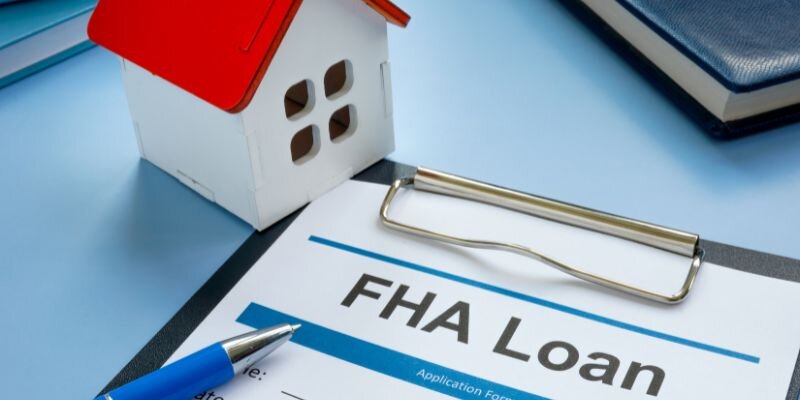
If you are buying a property in Ohio with an FHA loan, it is important to understand the unique repair rules and criteria that could impact your transaction. FHA loans are meant to benefit purchasers with more flexible underwriting guidelines, but they also require the properties to satisfy certain minimum requirements to ensure safety and security. In this article, we’ll detail the big fixes the FHA requires, what they mean for potential buyers and sellers, and how sticking to these standards could affect your buying process, working to make your way to homeownership easier.
Key Highlights
- FHA standards ensure property safety, compliance, and protect buyer and lender interests during home purchases.
- Appraisals highlight necessary repairs for FHA loans, influencing buyer-seller negotiations and loan approval.
- Exterior and interior repairs must comply with FHA requirements, addressing health, safety, and structural issues.
- Sellers typically handle FHA repairs, but responsibilities can be negotiated between parties before closing.
- Navigating FHA repairs is crucial for successful transactions, preventing post-purchase issues and ensuring compliance.
Understanding FHA Repair Guidelines
For prospective homebuyers in Ohio to be able to get an FHA loan, the FHA repair criteria are very important. These criteria help to assure the safety, security, and livability of the property and impact both buyers and sellers. The FHA criteria help to ensure that the property is in a certain condition of repair before they can approve it, which protects the house buyer, as well as the lender. The examination and defects assist in determining what repairs are needed. Here, we’ll discuss what FHA repairs are and why these criteria are important in the real estate transaction.
What Constitutes FHA Repair?
FHA repairs are the changes or repairs that a property must undergo to meet the FHA criteria. The repairs are needed to make the home healthy and safe for the occupants, so that it is habitable and secure. These repair restrictions are part of FHA loans to protect both the lender and the homebuyer. They want to be sure the property won’t be a big maintenance headache after the purchase. For example, FHA financing requires foundation fissures and other structural issues to be properly repaired.
During an FHA inspection, the appraiser will search for numerous flaws that need to be corrected before the loan can be approved. This includes the roof, plumbing and electrical systems to make sure everything is working. If these vital aspects do not satisfy property criteria, then repairs are needed. Another important factor is the condition of the home’s exterior and interior. Peeling paint, broken windows, or damaged siding could all point to potential needed repairs. Environmental dangers in the vicinity of the property are also included in repair conditions under FHA criteria.
You have to deal with problems like radon, lead-based paint, asbestos or mold. All these aspects make the homebuyer enter a safe and long-term livable environment. The home must pass a property inspection to meet these FHA guidelines, and this inspection will identify any repairs needed. If the property does not fulfill the standards, this can cause delays in the loan approval procedure.
In addition to the physical deficiencies, FHA repair involves making sure legal issues, such as property zoning and boundaries, are clear and not in dispute. This item guarantees that homebuyers can relish the full benefits of their new home without future legal difficulties. FHA repairs are thorough to ensure properties are adequate for habitable and legal criteria, ranging from safety concerns to compliance with local property rules.
If you are unsure where to start, Cleveland House Buyers can help guide you through the process.
Why Do FHA Standards Matter?
FHA requirements are important since they are a major determinant of whether or not a property is eligible for an FHA loan. They make sure the home fulfills the health, safety and security criteria needed before the loan is finalized. The FHA loan application is very dependent on the property passing these tough requirements through a thorough inspection process. The whole idea is to make sure the house buyer is making a good investment, and there are no surprises down the road for repairs.
The standards are also useful to lenders. This means that the property must meet FHA requirements , which allows lenders to minimize risk in the lending process . It reassures customers that the property will hold its market worth over time, with any repairs that are needed being accounted for when they are found during the evaluation. If the FHA inspection reveals repairs are needed, the buyer and seller might agree to get the repairs done before the closing date. The homebuyer gets peace of mind with the FHA criteria. Buying a house is not just a financial transaction. It is a secure future where their investment is safe.
These repair standards ensure that the purchased home has no hidden, pricey repairs that could stretch a budget. By meeting these requirements, purchasers can have peace of mind that the properties they are closing on fulfill criteria to ensure safety and functionality. FHA guidelines also support community stability and increase property prices in the larger context of real estate. Homes in compliance with these requirements imply well-kept neighborhoods, assisting sellers to promote their homes competitively.
Following FHA requirements regularly can also improve the overall quality of real estate and set the standard for other loan products to follow. FHA guidelines, therefore, are critical to fostering a balanced relationship between lenders, buyers and sellers. They keep the real estate transactions transparent and guarantee that the homebuyer is buying a property that really matches the living standards required. These steps are a major step forward in preserving the integrity of FHA loans and will create a more secure and sustainable path to homeownership.
| Repair Category | Common Issues | Reason for Repair | Impact on Loan Approval |
|---|---|---|---|
| Roofing | Leaks, Missing Shingles | Prevents moisture damage and structural deterioration | Non-compliance may delay or deny loan approval until repaired |
| Plumbing | Leaking Pipes, Faulty Fixtures | Ensures water safety and prevents water damage | Plumbing issues may result in loan conditions or rejection |
| Electrical Systems | Exposed Wiring, Outdated Panels | Reduces risk of fire hazards and ensures safety compliance | Approval contingent on compliance with safety codes |
| Foundation | Cracks, Uneven Settlement | Essential for structural integrity and safety | Major repairs required for loan approval consideration |
This table provides a visual overview of how FHA repair guidelines play a critical role in the loan approval process and homeowner safety.
The Role of Home Appraisal in FHA Loans
As you’re aware of the importance of home appraisal in FHA loans, let’s see how these assessments assist in loan approval. A house appraisal is a key part of the process to determine if the home meets the standards set by the FHA. These standards ensure that the residence is safe, secure and livable for potential buyers. The FHA appraisal will show the exact defects that need to be fixed. The goal is ultimately to protect the interests of the house buyers and lenders. In this article, we’ll analyze the impact of appraisals on FHA loan approvals and address the key repair issues that are identified in appraisals.
How a Home Appraisal Affects FHA Approval

Home appraisals are a key part of the FHA loan approval process and play a significant role in determining whether a mortgage is approved. The appraiser’s job is to perform a thorough inspection and determine the property’s market worth and if it meets FHA standards for safety and habitability. The guidelines are meant to preserve the lender’s investment and provide the house buyer with a property free of major repair costs. During the assessment, the appraiser will also consider several components of the property, such as plumbing and electrical systems, structural stability, and more, so they can spot any repairs needed for the home to qualify for an FHA loan.
This is a very important step, and we can’t stress it enough. Deficiencies are found, and these have to be rectified before a loan is approved. Major structural problems, such as a leaky roof or unsteady foundation, are red flags that can delay or derail the FHA financing process. Properties that don’t match the established standards are often required to make modifications to conform to HUD guidelines. The appraisal identifies these areas so that any hazards can be avoided after closing, and the homebuyer moves into a safe and stable living environment.
Also, appraisal results affect discussions by both buyer and seller. If the appraisal comes back showing major repairs needed, these can be negotiating points as to who will pay for it and make sure it is done. Appraisals also protect the lender and buyer from overpaying for a property. Any problems detected during the FHA appraisal must be corrected before a preliminary loan approval can become a definite one. The comprehensive review contributes to the openness and dependability of the FHA loan procedure, solidifying the idea that a thorough standards verification is advantageous for everyone concerned.
For sellers, getting the home ready to fulfill the tight FHA regulations beforehand might mean faster closings and fewer roadblocks at the last minute. At the same time, buyers have peace of mind that the property they are buying is sound. The appraisal is a financial check and safety net to make sure homeowners and lenders aren’t caught by surprise, requiring post-purchase repairs. The appraisal offers a detailed assessment of the property’s adherence to FHA standards, supporting the greater goal of ensuring the quality of the housing market, boosting buyer confidence, and enabling seamless transactions.
We buy houses in Cleveland, OH, and other nearby areas and can help you skip the repair process entirely by purchasing properties in any condition.
Key Repair Conditions in FHA Appraisals
An FHA appraisal is more than just a valuation. They determine if a property fulfills the basic health and safety criteria required to be eligible for a loan. The qualified appraiser will note any flaws that need to be corrected prior to closing the loan, paying particular attention to situations that influence livability. Common causes include lead-based paint in homes built before 1978, electrical risks, poor plumbing and inadequate heating systems. Each of them is a situation the FHA says is not consistent with a safe and functional home.
Exterior circumstances are also investigated. The appraiser will check for broken windows, damaged gutters, decaying rooflines and compromised structural components. These are not cosmetic problems but may indicate safety issues or further deterioration that could impact the property’s long-term worth. If problems are found, they will be noted in the appraisal report and must be corrected before the lender will give final loan approval.
Environmental dangers provide an additional dimension to the process. Mold, radon and asbestos all need to be professionally remediated, not simply repaired, and appraisers are trained to look for symptoms of these issues when they make their assessments. Knowing what appraisers are looking for gives buyers and sellers a real advantage. This means sellers may minimize delays by fixing known flaws before selling, and purchasers get a clear picture of what the property needs and how repair costs are calculated into their entire investment.
Ohio cash buyers like Cleveland House Buyers purchase properties directly, bypassing the appraisal process entirely and eliminating the need for costly environmental remediation before closing.
Common Required Repairs for FHA Loans in Ohio
Knowing the frequently required renovations for FHA loans in Ohio can aid buyers and sellers through the property inspection and approval process. Homes must meet safety, security and livability requirements that are part of the FHA guidelines to qualify for a loan. They provide standards for exterior and interior repairs to be made and identify defects to be addressed. Ohio’s special FHA repair demands often involve both external property conditions and internal safety standards, all of which are identified during appraisal and inspection, to make your property FHA compliant to ensure smooth transactions and preserve investor interests.
Exterior Repairs: Compliance with FHA Standards
Exterior repairs are needed to get the property up to FHA standards and to ensure that the property is secure and able to withstand the elements. Ohio’s exterior flaws for corrections are very concentrated on compliance with repair needs indicated during assessments in an FHA loan procedure.
A common external problem is peeling paint, especially in homes built before 1978, because of possible lead-based paint hazards. These paint problems are health hazards and must be mitigated, or the loan will not be approved unless they are fixed to meet the FHA repair requirements.
FHA inspections also have a habit of identifying defects such as faulty roofs that can result in major water damage if not addressed quickly. Here, fixes can be replacing missing shingles, repairing leaks, or even adding new layers to the roof if current conditions aren’t securing the property well enough.
A significant part of the FHA exterior repair standards is window and door integrity. Windows should be in working order, with no broken panes and that seal tight to prevent energy loss and security hazards. Doors should be intact and locked to protect occupants. Also, current assessment criteria require gutters and downspouts to be repaired or replaced if they are not sufficient. Proper functioning of gutters and downspouts helps avoid water intrusion and foundation damage. Other external changes could be removing any hazards, such as overgrown vegetation near the home, or making sure stairways and railings are sturdy and up to code to avoid accidents or injuries.
Thus, sufficient exterior repairs in compliance with FHA guidelines not only speed the loan approval process but also boost the home’s worth and longevity. Ohio home buyers and sellers can focus on these aspects to ensure a smooth FHA loan procedure and achieve higher property valuations. Have professional inspections done to ensure external compliance and help identify problems that could otherwise delay the financing process. The compliance with inspection findings helps bridge the gap to get finance, as lenders and buyers feel secure knowing that the investment is long-lasting and safe. In Ohio, weather issues make adherence to these requirements even more important to ensure the home can endure current conditions and possible future changes, protecting the reliability of the home investment.
Interior Repairs and Safety Standards

FHA valuations take into consideration interior repairs as they relate to the safety and livability of the home. Plumbing and electrical systems are looked at closely, with appraisers highlighting bad circuits, old wiring and plumbing not up to federal standards. In Ohio, where winters are brutal, heating systems are especially in the spotlight. If the furnace isn’t working properly, or if the heating controls are old and can’t regulate the temperature safely, those will need to be repaired or replaced before the loan can move forward. Signs of moisture penetration and water damage are other warning signs, frequently pointing to plumbing leaks not being repaired or waterproofing that needs to be handled by professionals.
Appraisers also note safety issues that impact day-to-day occupancy, not only major systems. The FHA considers loose railings, missing steps, unsecured floors and obstructed exits to be repair issues, not cosmetic ones. Mold and pest infestations are also environmental health issues that fall in the same boat . They must be remediated by a professional before the appraisal can clear. Each of these findings is listed in the appraisal report, and the lender will not provide final approval until the documented repairs have been verified as complete.
“Being proactive with interior repairs is a win-win for both sides of the transaction.” A seller who addresses identified faults before listing will not be delayed or have to renegotiate late in the process. Buyers can be assured that the property is up to minimum livability standards and that their investment is protected. In Ohio’s competitive housing market, a home that passes FHA inspection without limitations moves faster, draws better offers and produces fewer headaches between contract and closing.
Who is Responsible for Repairs in FHA Loans?
FHA loans have repair restrictions that can affect both buyers and sellers. It is vital to know who is accountable for these repairs to ensure a seamless transaction. In most cases, the seller of the home has to pay for FHA repair requirements before closing; it is possible to negotiate that either party can arrange for and pay the cost of the repairs. The process of making necessary repairs is revealing the function of FHA repair standards in real estate transactions. This knowledge of these tasks will help prospective purchasers make sensible selections throughout the mortgage process and meet FHA requirements for loan approval.
Navigating the Required Repairs Before Closing
FHA loans have property criteria that must be met before a sale may close. Once an offer is approved, the FHA inspection will reveal any problems that do not meet the agency’s minimal standards for safety, security and habitability. The findings are not recommendations. The lender will not give final permission unless the structural difficulties, roofing problems, electrical faults and plumbing limitations listed in the inspection report have been corrected. Knowing this ahead of time avoids shocks that kill deals at the worst possible time.
Not all repairs carry the same weight in the negotiation process. The crucial distinction is between essential repairs impacting the loan approval and cosmetic faults that do not. Structural problems, safety concerns and code breaches are non-negotiable. Cosmetic issues like peeling paint or outdated fixtures often do not. In Ohio transactions, sellers generally are compelled to make repairs that are mandated; however, in certain cases, buyers agree to make some repairs, depending on how the purchase agreement is constructed. Repair credits, price reductions and escrow holdbacks are all instruments that can enable both sides to achieve an agreement without having to start the process over from scratch.
Being proactive in this phase keeps closings on track. Review inspection findings promptly and make repairs that directly impact loan approval. Sellers can help themselves by getting on top of known difficulties before listing, so that the chances of renegotiation after an offer is accepted are reduced. When both sides clearly communicate what is to be repaired, when repairs will be completed, and the cost, it can mean a more predictable route to closing and a lower chance of a deal falling apart over issues that might have been anticipated and managed earlier in the process.
If you need guidance navigating FHA repair requirements, contact us at (440) 577-6552 today to get started.
FAQs:
What are FHA-required repairs when buying a home in Ohio?
FHA-required repairs are modifications necessary for a home to meet FHA standards of safety, security, and livability. These include structural repairs, addressing environmental hazards, and ensuring all essential systems like plumbing and electricity are operational.
Who is responsible for FHA repairs?
Typically, the responsibility for FHA repairs falls on the seller, but the buyer and seller can negotiate who will cover these costs before closing. It’s crucial to settle this agreement early to ensure a smooth transaction.
What happens if the property doesn’t meet FHA standards?
If a property doesn’t meet FHA standards, any identified repair conditions must be addressed before the loan can be approved. The appraisal process will highlight what needs fixing, and addressing these issues is crucial to moving forward with the transaction.
How do FHA appraisals affect loan approval?
FHA appraisals evaluate a property’s market value and compliance with FHA standards, impacting loan approval. The appraisal identifies necessary repairs, which must be corrected before final approval, ensuring the property is safe and habitable.
What are common FHA repair requirements in Ohio?
Common FHA repair requirements in Ohio include fixing external issues such as peeling paint, broken windows, and damaged roofing. Interior repairs may focus on safe and functioning electrical, plumbing, and heating systems. Ensuring property compliance with FHA standards is essential for loan approval.
Helpful Ohio Blog Articles
- How to Sell an Apartment in Ohio
- How to Avoid Closing Costs in Ohio
- Can My Ex-Partner Sell Our House Without My Approval in Ohio?
- Do All Heirs Have to Agree to Sell Property in Ohio?
- How to Sell a Condemned House in Ohio
- Does a Seller Pay Closing Costs in Ohio?
- Selling a House with Delinquent Property Taxes in Ohio
- How to Sell a Rental Property in Ohio
- Selling a House That Needs Repairs in Ohio
- How To Sell Your Ohio House With Foundation Problems Fast
- How To Sell Your House During Foreclosure In Ohio Before Auction
- Appraisal Required Repairs in Ohio
- Selling a House With Unpermitted Work in Ohio
- Paperwork for Selling a House by Owner in Ohio
- FHA Required Repairs in Ohio
- Selling A House That Failed Inspection In Ohio
- How Medicaid Tracks Home Sales