

That sensation when you walk into your basement and see that magnificent finished family room you put in 5 years ago? That one that became the heart of your home, where your kids play video games, and you have movie nights? But many homeowners don’t realize this: when it’s time to sell, that gorgeous space might become a problem.
I’ve bought hundreds of properties across Northeast Ohio with unpermitted work in them, from the west side of Cleveland to the older streets of Parma and Lakewood. I’ve seen them all, from finished basements without permits, to kitchen expansions that didn’t get the right inspections, to garage conversions in Strongsville that look great but cause hesitation for buyers.
The fact is, unpermitted work doesn’t have to stop your sale. But it will change the way you do things.
Understanding Ohio Real Estate Laws for Unpermitted Work Disclosure Requirements
The legal side matters more than many sellers understand. Ohio home sellers must report the property status and condition by law. The Residential Property Disclosure document or another state-compliant document must be completed to notify buyers about what they’re buying.
Ohio law requires homeowners to disclose property flaws, including unpermitted work and code infractions. Not optional. The law requires it.
I’ve seen sellers try to hide unpermitted work. That approach often causes bigger issues. Sellers who willfully omit property information may be sued by the buyer. The disclosure document protects you and the buyer.
The good news? The Ohio disclosure form only asks about what you personally know. You don’t need an inspector to find unknown issues. However, unpermitted work must be disclosed.
The Ohio Residential Property Disclosure Form requires disclosure of building or housing code infractions, zoning ordinance violations, and similar issues, including grandfathered ones. That includes unauthorized renovations, additions, and changes.
Prospective buyers must get a completed disclosure form from Ohio real estate sellers “as soon as is practicable.” Avoid waiting till you’re contracted. Inform buyers early on.
Ohio Building Code Violations and Their Impact on Real Estate Transactions
Building codes are essential for several key reasons: they ensure safety, maintain structural integrity, and guarantee that electrical and plumbing systems are installed correctly. When tasks are carried out without the necessary permits, there’s a lack of official confirmation that they adhere to established standards.
Code violations occur when a property does not comply with the building code standards established by the local municipality. The enforcement landscape can differ significantly throughout Ohio. Cleveland generally enforces regulations more rigorously compared to certain rural counties, while Columbus has stepped up its efforts in code enforcement in recent years.
I have observed unpermitted work that was executed with a high level of professionalism and safety. I’ve encountered significant issues, such as a “completed” basement in Akron with perilously inadequate electrical work, or a bathroom extension in Lorain where the plumbing did not meet several code standards.
Buyers frequently express concerns regarding safety risks, potential future repair expenses, challenges in securing insurance, complications that may arise during the eventual sale of the property, and the possibility of fines or enforcement actions from the city.
It’s completely reasonable to have those concerns. Unauthorized work can diminish a buyer’s view of value and influence the offers you attract. However, this doesn’t mean your home is automatically unsellable.
Legal Obligations When Selling Houses with Unpermitted Work in Ohio
Your legal responsibilities go beyond simply filling out a disclosure form. It’s important to understand the potential implications of selling a property with unpermitted work.
Ohio law requires homeowners to disclose any known defects or issues with the property, including unpermitted work or code violations. Failing to disclose this information can create legal problems later on.
Because residential property disclosures can reveal issues buyers may not have noticed otherwise, Ohio buyers may have the right to rescind their contract after receiving the form. In general, the rescission must occur before closing, within 30 days of signing the purchase contract, and within three business days of receiving the disclosure form.
That means a buyer could back out even after you’ve gone under contract. While that can be frustrating, it’s usually far better than transactions with disputes or legal action after the sale.
Disclosure-related issues account for a large percentage of real estate lawsuits. Providing complete and accurate information helps protect both you and the buyer throughout the transaction.
Need to sell your home for cash in Ohio fast? We make the process simple and fair.
Documentation Requirements for Unpermitted Work in Ohio Real Estate Sales
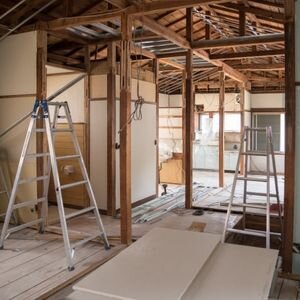
Documentation is your friend. If the work was not approved, gather as much information as you can, including invoices for materials, pictures of the project under construction, contractor information if a professional was used, communications with the local building authority, and utility records that reflect the upgrades.
I always suggest that sellers have a separate file with all the paperwork that is related. Even without permits, documentation that quality materials were utilized and the repair was done competently can provide comfort to buyers.
Some buyers seek verification that the repair was done safely and properly. Having receipts from licensed electricians or plumbers can make a difference. Documentation of the usage of reliable and high-quality materials also helps to generate confidence in the work.
Ohio Building Department Permit Application Process for Existing Work
A retroactive permit, often called an “after-the-fact” permit, may remedy the permit issue before selling. This is allowed in many Ohio cities.
Work with the local building authorities, bring the work up to code, and pay any fines or penalties to get a retroactive permit.
The process differs by area. Columbus homeowners usually work with Building & Inspections. Cleveland has its own permits department, although smaller communities may use county agencies for inspections and enforcement.
In most circumstances, you file for an after-the-fact permit, an inspector inspects the work, and you pay the fees and gain approval if it fits code. Before a follow-up inspection and final permit issuance, you must fix code violations.
After-the-fact permits take longer and cost $2,000 to $8,000. But getting that permit can significantly increase your home’s marketability.
How Unpermitted Additions Affect Property Values in Ohio Housing Markets
Let’s be honest about the market impact. Unpermitted work does diminish value, but the effect varies more than most sellers expect.
As of July 2026, the median sale price across Ohio was $279,992, up 3.7% from a year earlier. A market that steadily takes some of the sting out of unpermitted work.
In my experience, basements done without permits may receive 20–40% less value than approved construction, kitchen additions 30–50%, bathroom additions 25–45%, and garage conversions little to nothing.
Ohio homes sold in a median of 43 days in July 2026, so permit concerns rarely linger here.
The location is also crucial. German Village in Columbus and Tremont in Cleveland are desirable communities, so purchasers may overlook permit issues if the house is a good fit. Small concerns have a bigger impact in slower markets.
Inspection Challenges When Selling Ohio Homes with Code Violations

The presence of unpermitted work can present a challenge during home inspections. Inspectors are instructed to identify that work performed without permits may not adhere to the most recent building codes.
These areas will be in-depth examined during the home inspection. In Ohio, purchasers are also granted robust inspection rights, which enable them to conduct a comprehensive assessment of the property prior to making a final purchase.
Inspections that involve unpermitted work frequently identify electrical code violations, drainage issues, structural concerns, inadequate ventilation, and missing fire safety features.
Prior to listing a residence, I frequently advise obtaining a pre-inspection. This assists in anticipating prospective issues and enables you to modify your pricing strategy or address them. An early identification of issues is significantly more advantageous than their discovery during a buyer’s inspection.
At Cleveland House Buyers, we buy houses in North Royalton in any condition, helping homeowners close fast and avoid unnecessary stress.
Buyer Protection Rights for Unpermitted Work in Ohio Property Sales
Ohio has strong protections for buyers. They may be able to void the sale if they sign a purchase contract before getting disclosures. Normally, this must be done within three business days.
In addition, Ohio law provides that buyers may terminate certain house purchase agreements within a certain time after signing, depending on how and when disclosures are supplied.
Buyers also have the right to bargain over inspection findings as well as the right to cancel. During the inspection phase, they may want price reductions, want the seller to get permits, want repairs before closing, or walk away.
Knowing these protections can help you prepare for the negotiation process. Price and expectations should be modified accordingly, as buyers often raise concerns about unpermitted work.
Negotiating Purchase Agreements with Known Unpermitted Work in Ohio
Negotiation is sometimes where sales are made or lost. It becomes particularly crucial when you are selling a house with unpermitted work.
You can utilize these additions to negotiate a lower price or better overall conditions of sale.
Good negotiating methods include pricing the home reasonably from the outset, offering credits to cover the cost of permits, providing paperwork that supports the quality of the work, being flexible on other terms, and considering “as-is” sales when appropriate.
It also helps to highlight any positive aspects of the unpermitted work and be honest about any concerns, such as legal compliance and future building code requirements in Ohio.
I have seen sellers effectively negotiate similar circumstances by granting credits toward permitting costs, lowering the sale price below market value, providing contractor warranties or home warranties, and occasionally extending speedier closing dates to make the sale more attractive.
Liability Risks for Ohio Homeowners Selling Properties with Code Violations

Sometimes, liability doesn’t end when the sale is closed. If a seller knows that a house has dangerous work that wasn’t allowed to be done, and someone gets hurt because of it, they could be sued.
Ohio law says that sellers can get in big trouble if they lie or leave out information that is needed on the real estate disclosure form. Ohio real estate laws have strict rules about what needs to be disclosed, and not following them can lead to a lot of legal trouble.
Full disclosure of all known problems, careful documentation of the disclosure process, using the right legal forms, working with experienced real estate professionals, and getting legal help when you need it are the best ways to protect yourself.
Market Strategies for Selling Ohio Homes with Unpermitted Basement Conversions
In Ohio, basement conversions are not uncommon, particularly in Cleveland, Columbus, and Cincinnati’s older neighborhoods.
Homes here are not sitting for months, which still leaves a seller with a converted basement room to find the right buyer.
Ways to sell homes with basement conversions include attracting investors who do not care about permits, appealing to first-time buyers looking for a bargain, marketing the increased living space, pricing below comparable properties, and contemplating rent-to-own arrangements.
I’ve witnessed sales where sellers advertised an unpermitted basement apartment as a “mother-in-law suite” and attracted bidders who liked the arrangement. In many circumstances, the permit issue was a secondary factor in the negotiation, not a deal breaker.
We simplify property selling so you can focus on what matters most. Contact Us at Cleveland House Buyers today.
Alternative Sale Options for Ohio Homeowners with Extensive Unpermitted Work
Sometimes, a typical sale is not the best way to go. It’s easier for investors to buy homes with unpermitted work, and they typically pay cash, simplifying the entire sale. The Ohio real estate market is full of cash buyers who will purchase homes that need fixing up or have legal issues. Closer to home, we buy houses in Parma and the surrounding suburbs with permit problems still open.
Other choices include selling direct to investors or on the auction block, rent-to-own, seller financing, or wholesaling to house flippers.
Cash offers provide for faster closings and fewer financing delays. Many of these buyers are willing to take on repairs and permit concerns themselves, which can lessen tension in negotiations.
At Cleveland House Buyers, we specialize in buying homes with issues like unpermitted work. We know Ohio real estate transactions and can frequently close fast without the seller having to get permits or spend a lot of money on repairs. For homeowners with serious permit problems, this type of buyer can be an easy fix.
Ohio Real Estate Attorney Consultation for Unpermitted Work Issues
Complex unpermitted work scenarios frequently necessitate legal assistance. To ensure that you are in compliance with all applicable laws, speak with a real estate professional or an attorney.
An attorney can help with disclosure requirements, liability difficulties, contract discussions, municipal violations, and insurance-related matters.
Attempting to manage complex legal issues on your own might be dangerous. A consultation is usually inexpensive when compared to the potential financial and legal exposure.
Ohio remains a reasonably affordable market compared with the national picture, which can help mitigate the effects of unpermitted work.
Honesty, preparedness, and reasonable pricing are essential for effectively selling a home with unpermitted renovations in Ohio. I’ve seen sellers attempt to disguise problems and wind up in legal jeopardy. I’ve also seen sellers who were upfront attract purchasers who were willing to move forward.
Every circumstance is different. A finished basement without permits in Shaker Heights may still sell well, although the same situation in a slower market may necessitate significant price modifications.
Working with professionals who understand Ohio’s real estate regulations and unpermitted activity is critical. This could include an experienced real estate professional, a direct buyer like Cleveland House Buyers, or a real estate attorney.
Unpermitted work does not have to preclude a sale. It adds complication and may affect pricing, but many properties with similar difficulties are successfully sold in Ohio each year.
In most circumstances, the market responds best to honesty, correct pricing, and transparent communication.
Frequently Asked Questions
Do Appraisers Care About Unpermitted Work?
Appraisers do count unpermitted work but discount it heavily. They may evaluate unpermitted additions at 50% of the allowed construction or ignore square footage. Some appraisers require permits before they will sign off, which can delay or kill a deal.
What Happens If I Buy a Home with Unpermitted Work?
If you buy a home with unpermitted work, you must fix it. Retroactive permits, building code repairs, or removal of unpermitted work may be required. When selling, you must mention any insurance difficulties.
What Makes a House Unable to Sell?
Unpermitted work rarely renders a house unsellable, but other issues can. Severe structural, environmental, legal, or overpricing difficulties are more likely to stop sales. Proper pricing, disclosure, or retroactive permits can alleviate most unpermitted work difficulties.
What Devalues a House Most?
Location, structure, and environmental hazards depreciate homes more than unpermitted work. However, major unpermitted work might diminish value by 20-50% compared to approved renovations. Impact varies depending on the work kind, safety, and local market conditions.
Cleveland House Buyers can assist those struggling with unpermitted work in exploring their options. We buy houses throughout Ohio, regardless of permit issues, code violations, or necessary repairs. We understand the complexity of Ohio real estate law and may make you a fair cash offer without asking you to fix anything.
Remember that unpermitted work does not have to be a deal breaker. With the appropriate attitude, honest disclosure, and reasonable expectations, you can sell your Ohio house and move on to the next chapter.
Helpful Ohio Blog Articles
- How to Sell an Apartment in Ohio
- How to Avoid Closing Costs in Ohio
- Can My Ex-Partner Sell Our House Without My Approval in Ohio?
- Do All Heirs Have to Agree to Sell Property in Ohio?
- How to Sell a Condemned House in Ohio
- Does a Seller Pay Closing Costs in Ohio?
- Selling a House with Delinquent Property Taxes in Ohio
- How to Sell a Rental Property in Ohio
- Selling a House That Needs Repairs in Ohio
- How To Sell Your Ohio House With Foundation Problems Fast
- How To Sell Your House During Foreclosure In Ohio Before Auction
- Appraisal Required Repairs in Ohio
- Selling a House With Unpermitted Work in Ohio
- Paperwork for Selling a House by Owner in Ohio
- FHA Required Repairs in Ohio
- Selling A House That Failed Inspection In Ohio
- How Medicaid Tracks Home Sales