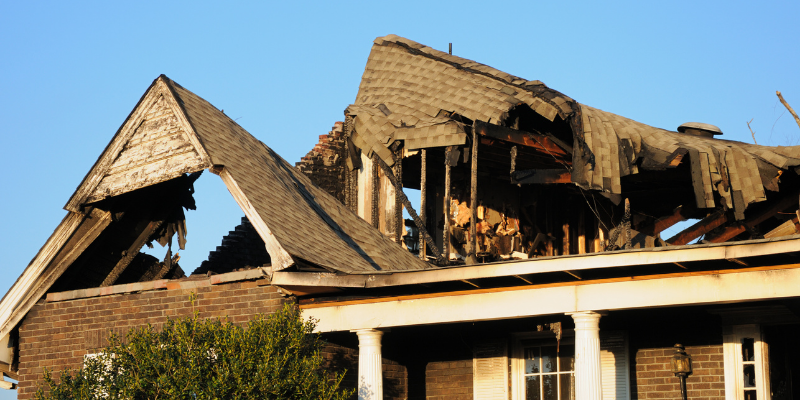
Selling a fire-damaged house in Cleveland, OH, comes with a handful of challenges that can stretch out the process. Knowing the typical timeline helps homeowners make informed decisions and set realistic expectations. This guide breaks the sale into phases, from early prep to listing and closing, and flags the strategies that speed each one up. Some owners want to move fast to investors, cash in hand. Others would rather prep for the traditional market. Either way, knowing what to expect at each stage is what carries a sale to the finish. Walk in with a plan and your property works harder for you.
Key Highlights
- Damage assessment is what tells you which repairs a fire-damaged home needs to reach a habitable condition.
- Professional evaluations give you a real read on property damage, and that read shapes both restoration and the sale after a fire.
- Selling a property as-is brings quick relief, though the sale price usually lands below what a renovated home would fetch.
- Reading the market helps you set realistic expectations and build a pricing strategy for a home damaged by fire.
- Legal compliance, from damage disclosures to renovation permits, keeps the sale process smoother for affected homes.
Understanding the Impact of a House Fire
The aftermath of a house fire leaves Cleveland, OH, homeowners facing two heavy jobs at once. Restoration is one. Selling their property is the other. Understanding the immediate and long-term effects of fire damage matters before you make a single move. This guide runs from the first steps after a fire through assessing fire damage and the safety risks that follow. A house fire hits property values, structural integrity, and your own emotional footing, and reckoning with all three is the foundation for good decisions. The right actions, taken in order, keep a fire-damaged house from getting worse.
Immediate Steps to Take After a Fire in Cleveland, OH
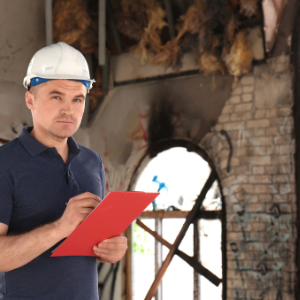
A house fire is overwhelming. Prompt, organized action protects your property and speeds up the recovery. Once everyone is safe, focus on securing your home, documenting the damage, and preparing for restoration or sale.
Safety comes first. Call emergency services right away to confirm the fire is fully out and to get an official fire report. That document is essential for insurance claims and later damage assessments.
Once it’s safe to go back in, connect with a qualified Cleveland fire adjuster. These pros give you an accurate read on fire damage, walk you through the insurance claim process, and help you collect fair compensation for your losses.
Prevent more harm by boarding up broken windows and doors, covering roof openings, and shutting off utilities if you need to. Securing your Cleveland property deters vandalism, keeps weather out, and preserves what’s still intact.
Documentation is what wins an insurance claim. Photograph and film every affected area, including structural damage, soot, and personal belongings. Hang on to receipts for emergency repairs and restoration services. Your policy may reimburse them.
Recovering from a fire isn’t only physical. It’s emotional too. Reach out to local Cleveland support groups, counselors, or community recovery programs. Steadier footing helps you think clearly about whether to repair, restore, or sell your home.
Keep a running checklist of post-fire tasks, from contacting insurance providers to lining up restoration professionals and city inspectors. Staying organized means no step slips through, and it sets up the next phase, whether you rebuild or sell your fire-damaged house in Cleveland for cash.
If managing repairs and contractors feels like too much, selling your property as-is is a real option. Cleveland House Buyers offers an easy way to sell your house in Lakewood for cash, with no cleaning, no repairs, and no hidden fees. You can close in as little as a few days and move on without the stress.
Assessing the Damage and Safety Risks
After a house fire, a thorough damage assessment is one of the most important things Cleveland homeowners can do. A full inspection surfaces both visible and hidden trouble, which lets you decide with real information whether to repair, rebuild, or sell your Cleveland house as-is. A careful damage assessment on a fire-damaged house is worth every minute. It tells you what the property is really worth and what selling it will take.
Start with the home’s structural integrity. Fire and heat can weaken beams, foundations, and roofing. A licensed inspector or structural engineer should check for stability and flag unsafe areas before anyone re-enters or restoration begins. Those findings confirm the property meets Cleveland’s safety and building standards.
Fires leave behind more than physical destruction. They often leave lingering smoke, soot, and chemical residues that drag down indoor air quality. Those particles can be harmful to breathe and can settle deep inside walls or ductwork. Professional deodorization and air purification, such as ozone or HEPA treatments, restore safe living conditions and rebuild buyer confidence.
Water from firefighting hides in moisture pockets, and untreated moisture turns into mold. Mold ruins materials and puts your health at risk. A solid post-fire inspection includes moisture mapping and dehumidification, so the home ends up safe, dry, and ready for sale or renovation.
Working with experienced Cleveland fire adjusters and restoration experts streamlines the whole thing. They bring specialized tools like thermal imaging to find hidden trouble, from hot spots to electrical faults. Their detailed reports also back your insurance claims and help you price out repair costs or weigh selling options.
Once you understand the full extent of the fire damage, you can decide with confidence whether to restore the property or sell your Cleveland home fast for cash. A precise, professional assessment protects safety and compliance, and it sets up a clean transition either way, toward rebuilding or selling as-is.
Crucial Next Steps for Homeowners in Cleveland After Initial Damage Assessment of a Fire-Damaged House
- Consult with structural engineers to assess repair needs and prevent further damage.
- Schedule indoor air quality testing to detect hidden toxins.
- Hire certified mold remediation specialists to address potential mold issues.
- Obtain multiple estimates from contractors for repair costs.
- Review and update homeowner insurance coverages as necessary.
- Engage with community support services for additional local assistance.
Working through these steps helps homeowners move smoothly toward restoring or selling their fire-damaged property. Want to skip repairs and close quickly? Cleveland House Buyers can handle it. They buy fire-damaged and distressed properties for cash across Cleveland, Lakewood, Parma, and South Euclid, so homeowners move forward without renovations or a long stretch on the market.
Conducting a Damage Assessment
After a house fire, sizing up the full extent of the fire damage is paramount. A detailed damage assessment gives Cleveland, OH, homeowners a clear grasp of the immediate and long-term implications for their damaged property. That means comprehensive inspections, and usually a professional partner, so every fire-damaged element gets identified. These evaluations point toward the next steps for restoration or sale. They call for a careful review of structural integrity along with air quality and water damage. Damage assessment done right is the cornerstone of any recovery and transition plan.
How to Conduct a Fire Damage Assessment and Address Safety Risks in Cleveland
After a house fire, one of the first moves for Cleveland homeowners is a comprehensive damage assessment. This inspection surfaces both the visible and hidden fire damage that can compromise a home’s safety and structure.
A professional inspection starts with a full walkthrough of the property, checking for weakened beams, warped foundations, or roofing chewed up by intense heat. Left alone, these structural problems can make the home genuinely unsafe.
Fire damage tends to run deeper than what you can see. Smoke and soot slip into walls, ceilings, and HVAC systems, leaving harmful residue and odors behind. Specialists run air quality tests to check for lingering toxins or fine particulate matter, confirming the environment clears health and safety standards before any restoration or sale.
Firefighting leaves excess moisture, and that moisture breeds mold. Inspectors typically run moisture mapping and apply dehumidification to stop fungi from spreading. Handle mold early and you protect both the home’s structure and its resale value.
A detailed inspection hands Cleveland homeowners a clear picture of the home’s condition. Knowing the full extent of the damage tells you whether to push ahead with restoration or sell your Cleveland home as-is for cash. Either path gives potential buyers safety, compliance, and transparency.
Partnering with Professionals for Accurate Evaluations
Fire damage is one place where Cleveland homeowners should lean on qualified professionals for a complete, accurate property assessment. The damage reaches past what’s visible, from structural integrity to indoor air quality, which makes expert evaluation essential for safety, insurance claims, and future resale.
Licensed fire adjusters specialize in reading the true extent of fire damage and preparing the reports you need for fair insurance compensation. They catch both visible and hidden issues, so nothing slips by. In older Cleveland homes, adjusters also separate pre-existing wear from fire-related damage, which matters for accurate repairs and honest listings.
Structural engineers check the home’s foundation, beams, and roof for any weakening from heat or water. Environmental specialists, meanwhile, test for smoke, soot, and chemical residues to confirm the air is safe. They also recommend odor removal and remediation to make the property livable or market-ready.
Once the firefighting is over, moisture control experts tackle any lingering water damage that could feed mold growth. Targeted drying and dehumidification head off long-term structural and health risks, which protects both the home’s value and the buyer’s peace of mind.
Bring in Cleveland’s fire damage professionals and you get a straight answer on the property’s real condition and market potential. Their assessments back smarter calls, whether you renovate or sell your Cleveland house as-is for cash. These evaluations do double duty. They safeguard your investment, and they position your property to compete in the market.
Options for Selling Fire-Damaged Properties
Facing the aftermath of a fire-damaged house in Cleveland, OH, homeowners have several ways to sell their damaged properties. You might sell the property as-is, read the local real estate market dynamics, or plan for restoration first. Each path carries its own tradeoffs. This section weighs the upsides and downsides of selling fire-damaged properties as-is, plus why understanding market dynamics matters for these unusual homes. Selling a fire-damaged home is never one-size-fits-all. The property’s condition, your timeline, and the local market all steer the choice. For plenty of owners, selling the property fast beats a long wait on repairs and a home that keeps costing money.
Pros and Cons of Selling Affected Properties As-Is
Selling a fire-damaged house as-is can be the smart move for Cleveland homeowners who want out quickly, without the stress and expense of major repairs. This route brings fast financial relief and spares you the heavy costs of restoration and renovation.
By listing your property in its current condition, you:
- Save thousands on repair and cleanup costs.
- Sell faster to motivated investors or cash buyers who specialize in damaged homes.
- Avoid the stress of managing contractors, permits, or insurance delays.
Real estate investors and developers hunt for fire-damaged homes because they can be restored and resold at a profit. That opens a door for sellers who want to sell their Cleveland house quickly for cash and skip the slow grind of a traditional sale.
The main tradeoff with selling as-is is a smaller buyer pool. Most buyers here are investors, so you may field fewer offers and a lower price than a renovated home would command. Homeowners should also weigh a short sale if the selling price won’t cover the remaining mortgage, since that can touch your credit standing. Selling the house as-is means far less work landing on you.
Honesty carries a lot of weight when selling a fire-damaged property in Cleveland. Sellers are legally required to disclose every known fire-related issue. Transparency protects you under the law and builds trust with serious buyers, which keeps negotiations from collapsing at the last minute. A professional inspection or assessment makes that disclosure accurate and credible.
Selling a home damaged by fire can hit hard, especially one full of personal memories. Plenty of homeowners take comfort in a clean break. Sell as-is and you start fresh, free of the ongoing burden of repairs and the uncertainty about the property’s condition. Selling a home in this shape rewards a clear head more than a big budget.
In the end, selling a fire-damaged home as-is in Cleveland is a balance of speed, convenience, and financial return. For a lot of homeowners, working with local cash buyers or real estate investors is the best path forward. It turns a rough situation into a quick, clean transition. Selling a fire-damaged property to a local investor skips a lot of that friction.
Understanding Market Dynamics for Fire-Damaged Homes
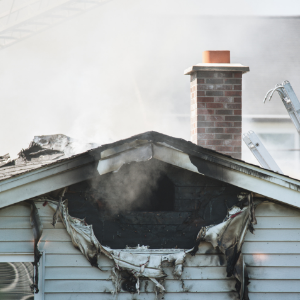
Selling a fire-damaged home in Cleveland takes more than repairs. It takes a feel for how local market conditions, buyer behavior, and timing move your sale. These properties sit in a narrow niche, so sellers have to shape their pricing and marketing around what the market actually rewards.
Unlike traditional homes, fire-damaged houses mostly draw real estate investors, developers, and cash buyers chasing value-add opportunities. Those buyers know the risks and costs of restoration, and that knowledge drives how they weigh offers. Position your property well inside this investor-driven market and you shift the odds from a long listing toward a quick sale.
Your Cleveland neighborhood shapes how people read your property. Areas that bounced back fast after local fire incidents, especially ones with strong insurance recovery and visible restoration, tend to hold stronger property values. Neighborhoods still climbing out may see softer demand and pricing for a while. Track local rebuilding projects and community improvements, and you can time your sale for a better result.
Bigger economic forces move the needle too, from interest rates to lending access to investor confidence. When interest rates sit low and lending stays flexible, more investors take on renovation projects. Tighten those lending conditions and buyer activity cools. Watching these trends helps Cleveland homeowners pick the right moment to list.
Real estate in Cleveland tends to follow the calendar. Spring and summer usually bring more buyers and faster sales, fire-damaged properties included. List in those peak windows and you gain visibility and pull in more investor attention. It pays to check local market reports and data on distressed property sales to spot the strongest selling windows.
Fire-damaged properties compete with other distressed homes and with traditional listings at the same time. A swing in mortgage rates or a shift in buyer preferences can change how appealing your home looks. A Cleveland real estate agent who has handled damaged or distressed properties can help you work these dynamics, set a competitive price, and reach serious cash buyers ready to move.
Selling a fire-damaged home rewards adaptability. Stay ready to adjust your pricing or your negotiation approach as buyer feedback comes in. Investors negotiate hard, so keep your expectations realistic and keep the focus on total value, speed and convenience of sale included. That is how you land the best outcome.
Preparing a Fire-Damaged Property for Sale
Getting a fire-damaged property market-ready takes careful planning and a grasp of the moving parts. Selling a Cleveland home hit by fire damage isn’t just listing the house. It means real decisions about restoration and legal compliance. This section digs into how to clean and restore a damaged house so it sells, and how to handle the legal requirements tied to these properties. Prepare thoroughly and you cover compliance while making the property far more appealing to buyers and investors. A fire-damaged home rarely sells itself. Real restoration and a clear damage picture move the property from a stalled listing to a real offer.
Restoring a Fire-Damaged Property in Cleveland Before Selling
Before you list your Cleveland home for sale, restoring the fire-damaged property is one of the biggest steps you’ll take. A well-restored house shows better and gives buyers confidence in its safety and livability, which helps you move it faster and often at a higher price. Buyers can tell when a home has been genuinely restored versus patched, so honest restoration work protects your sale price.
Restoration starts with a deep cleaning that strips out soot, smoke, and char residue the fire left behind. Professional cleaning companies in Cleveland use industrial-grade gear and fire-safe agents on walls, ceilings, flooring, and furniture. Thorough cleaning pulls out stains, odors, and contaminants, which lifts both the property’s look and its air quality. Buyers notice both.
With the home clean, structural damage is next. Fires can weaken support beams, walls, and roofing even when the harm doesn’t show. A certified contractor or structural engineer can assess these areas and call for the repairs or reinforcements that restore the property’s integrity. Structural restoration costs money, no way around it, but it’s the investment that makes the home safe, code-compliant, and market-ready, and that’s what serious buyers and investors in Cleveland want.
Electrical wiring and plumbing take a beating from both fire and the water used to fight it. Qualified electricians and plumbers should inspect the systems closely, swap out damaged wires or fixtures, and check for leaks or corrosion. Those repairs protect safety, and they sharpen inspection outcomes and buyer confidence. Homes with updated systems move faster and hit fewer snags during closing.
After cleaning and repairs, turn to indoor air quality. Smoke and soot particles linger long after the fire is out, carrying stubborn odors and health hazards. Restoration specialists lean on ozone treatment and air scrubbing to clear smoke odors and airborne particles. Fresh, clean air changes how the whole home feels, and buyers catch it the second they walk in.
With safety and function handled, move to the look of the place. Repainting walls, replacing flooring, and updating fixtures can carry a home from fire-damaged to move-in ready. Even small touches like refinished cabinets or modern lighting leave a strong impression. Professional home stagers know how to play up open layouts or natural light and make a space feel welcoming and worth more.
Restoring a fire-damaged home in Cleveland costs time and money, sure, but the payoff can be real. Good restoration cuts how long a property sits, raises its resale value, and widens your buyer pool to include cash buyers who want a ready-to-move-in home. Faster sales and higher offers often cover the restoration costs, especially with smart pricing and marketing behind them.
Whether you plan to live in the home again or sell your Cleveland house fast after a fire, taking time to clean, repair, and restore pays off. It leads to a smoother sale and a stronger return on investment. Lean on qualified restoration experts and local real estate professionals, and a fire-damaged property becomes a genuine opportunity for buyers.
Legal Requirements for Selling a Fire-Damaged House in Cleveland
Selling a fire-damaged house in Cleveland means knowing and following the legal requirements that protect sellers and buyers alike. Meet those rules and you get a smoother transaction plus real credibility with potential buyers.
Ohio law requires homeowners to disclose all known fire damage when selling a property. That covers the cause of the fire, the extent of structural and smoke damage, and any repairs or restoration already done. Put those disclosures in writing up front and you head off disputes later, while showing buyers you’re being straight about the property’s condition. That candor carries weight when you market a fire-damaged home in Cleveland.
A detailed inspection report from a licensed fire inspector or adjuster is often needed before you list. These documents stand as the official record of the damage, and they earn their keep during talks with buyers or insurance companies. Pair the report with your insurance claim paperwork and you verify the full extent of loss. That combination justifies your asking price to serious buyers, local investors who buy houses for cash in Cleveland among them.
Did you finish repairs or restoration after the fire? Make sure every required permit came through the City of Cleveland’s Building and Housing Department. Permits prove the work meets local safety codes, which lenders and home inspectors insist on. Skip them and you risk a delayed closing or a voided sale, especially if buyers turn up unpermitted work during due diligence.
Bringing in a real estate attorney who knows fire-damaged property transactions is a smart move. They can:
- Review your disclosure forms and inspection reports.
- Ensure compliance with Cleveland and Ohio state property laws.
- Draft legally sound sales agreements that protect your interests.
- Guide managing post-fire insurance proceeds and pending claims.
An attorney’s guidance heads off costly mistakes and keeps your transaction legally airtight.
Your homeowner’s insurance can still shape the property sale, particularly with repair claims pending. Talk plainly with your insurance provider and the buyer about any open coverage, settlements, or required repairs. Being upfront clears confusion and makes sure everyone knows which repairs are covered, or still underway, at the time of sale.
Some homes carry hazardous materials after a fire, from soot residue to smoke contamination to damaged insulation, all of which need remediation. Environmental compliance protects buyers and can lift both your property’s value and buyer confidence. Show proof of any cleanup or remediation completed, and you demonstrate the property meets local health and environmental safety standards.Provide proof of any cleanup or remediation work completed to show the property meets local health and environmental safety standards.
Setting the Right Sale Timeline for a Cleveland Home
Selling a fire-damaged house in Cleveland, OH, calls for a realistic timeline. A good sale timeline rests on a handful of factors that set the speed and the success of the property sale. Weigh those factors and you can plan around both market demand and your own goals. Dig into the forces at play, from buyer interest to market conditions, and you get a real edge in building a plan for selling a fire-damaged home in Cleveland. Selling this kind of property takes patience and a little strategy. Assess the damage, weigh restoration against a quick sale, and the timeline starts to make sense.
Factors Influencing the Speed of Your Property Sale in Cleveland
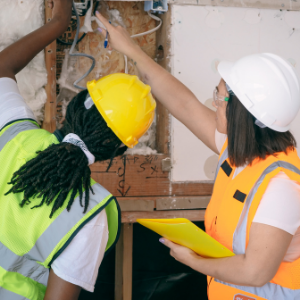
How long does it take to sell a fire-damaged house in Cleveland, Ohio? As a rule, anywhere from a couple of weeks to a few months. Several factors push that number around. Know which ones matter and you can build a strategy aimed at the right buyers. Some sellers want the open market. Others would rather go straight to buyers ready to buy Cleveland homes for quick cash, fire-damaged ones included.
The condition of the house drives the decision. Heavy fire and smoke damage that needs intensive repair slows the sale down. A house that only needs minor fire damage repair tends to move a lot faster. Getting a property inspection is a smart first step. It shows you your real odds, factoring in the market and buyer confidence, especially among cash buyers.
Housing demand in Cleveland swings with the economy and the season. In a strong economy, homes sell almost overnight, fire damage and all. In a weaker one, buyers get picky, and the sale of the property drags.
Cash home buyers in Cleveland, along with real estate investors, buy fire-damaged homes in any market. They have the means to repair the damaged homes and sell them. Pricing strategy is everything here. Overprice and the property lingers on the market. Underprice and you invite lowball bids. Run a market analysis on comparable recent sales to pin down the value of a fire-damaged home in Cleveland.
A quick sale rides on a marketing plan built for the property. Shoot photos that flatter the home and its spot in well-known Cleveland areas like Lakewood, Parma, and Euclid. Aiming your marketing at cash home buyers and other investors is another proven way to shorten the timeline.
Complying with local laws is your first job before selling. Permits for completed restoration work, or for safety work done after the fire, have to be in order. Disclosures should cover the fire damage, the assessments, and the professional repairs. The law wants complete, precise information. It also builds trust and rapport with buyers.
A diligent homeowner sells faster. To keep the closing date from slipping, stash every relevant document in one easy-to-reach spot, including insurance claims, inspection reports, and repair invoices. Stay in touch with buyers and answer their questions fast. Loop in your agent or cash buyer the same way. Both habits cut the time it takes to sell. Sellers who stay flexible and quick on their feet sell most efficiently of all.
Selling a fire-damaged home in Cleveland doesn’t have to swamp you. Assess the damage early, set the right price, and work with seasoned real estate professionals or cash buyers, and you can simplify the whole thing and close much faster. A clear plan, paired with a read on Cleveland’s housing trends, turns a hard situation into a quick, successful home sale.
Cleveland House Buyers helps homeowners sell their properties quickly and hassle-free, with fair cash offers for houses in any condition, whether fire-damaged, inherited, or just worn out and in need of repairs. Contact us at (440) 577-6552 today to find out how we can help.
Helpful Cleveland Blog Articles
- How to Sell a Hoarder House in Cleveland, Ohio
- A Cleveland Home Amidst A Pending Lawsuit
- How To File Quit Claim Deed In Cleveland, Ohio
- Selling A House With Mold In Cleveland, Ohio
- How to Sell a House With Code Violation in Cleveland, OH
- Selling Your Home By Owner In Cleveland, Ohio
- Attorney Fees For Real Estate Closings In Cleveland, Ohio
- Sale of a Lien-encumbered Property In Cleveland, Ohio
- How To Sell Your Cleveland Home Below Market Value
- How to Sell a House Without a Realtor in Cleveland, Ohio
- How To Sell An Inherited House In Cleveland, Ohio
- Selling A House In Poor Condition In Cleveland, Ohio
- Can You Sell A House With A Mortgage In Cleveland, Ohio
- Guide To Selling Your Cleveland Home With A Reverse Mortgage
- Selling A House With Asbestos In Cleveland, OH