Somewhere in Geauga County right now, an Ohio homeowner is staring at an estimate to replace their septic system and wondering if the sale is finished. It probably isn’t. Selling a house with septic tank problems in Ohio happens every week here, but nobody’s telling them that, and the uncertainty alone pushes sellers to walk away from money they’ve earned.
Septic problems carry a certain kind of dread. A leaky roof you can see. A failing septic system feels invisible, expensive, and mysterious all at once. Buyers get nervous, agents hedge, lenders order an inspection, and the whole sale starts to feel fragile. Sellers in this spot have more options than anyone shows them, and I want to walk through every one.
What Ohio Sellers Actually Face with Septic Problems
For years I misjudged how much a septic disclosure shifts a sale. Sellers would price for the repair, expect the buyer to absorb it, then watch the sale collapse anyway. The price was rarely the problem. The financing was. That’s the part most conversations with sellers skip entirely.
Ohio’s sewage treatment systems fall under Ohio Administrative Code Chapter 3701-29, with authority from Revised Code Chapter 3718. The current rules took effect January 1, 2015. The Ohio Department of Health writes the statewide standards, and local health districts handle permitting, inspection, and enforcement. They’re also allowed to adopt stricter rules than the state’s. Two neighbors on opposite sides of a county line can face totally different rules.
A while back I worked with a landlord out of Parma. Three-bedroom ranch, guest cottage out back, both served by the same septic for decades. A contractor walked the drainfield on a Thursday and handed him an estimate worth more than the cottage. He was ready to sign it on the spot. We stepped in first and read his county’s actual transfer requirements, and there was a path that didn’t involve replacing the system before closing. His county didn’t require that. Reading the rule saved the sale.
Statewide, Ohio’s median sales price reached $285,000 in July 2026, up 3.6% from $275,000 a year earlier, according to Ohio REALTORS. The equity at stake for a seller is real. Giving up on a sale or slashing your price over a septic problem you don’t grasp leaves serious money on the table. I’ve watched sellers do it over an issue their own inspector called minor.
Is a Septic Inspection Legally Required to Sell a House in Ohio?
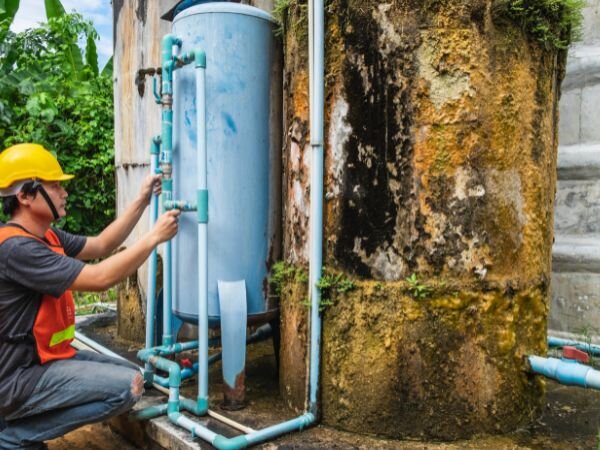
A seller called me from Medina last spring, certain she couldn’t close until her whole system was replaced. Her agent had told her a septic inspection was mandatory statewide. She’d spent three weeks panicking over a rule that doesn’t exist.
Ohio has no statewide law requiring an inspection every time a home changes hands. What the 2015 rules do require is that every local health district run an operation and maintenance program, with owners getting and renewing an operation permit for their system. Plenty of health districts and lenders separately require a property to pass a point-of-sale septic inspection before a sale closes. That mandate comes from your county or your buyer’s lender, not from a blanket Ohio statute.
Disclosure is the statewide piece every seller owes a buyer, and it’s not optional. Under Revised Code 5302.30, you have to give buyers the Residential Property Disclosure Form before they sign a contract. It covers the nature of the sewer system serving the house, where to get operation and maintenance information about it, and any material defects you actually know about. Hiding a known septic failure isn’t just poor form. It’s the kind of thing that follows you well past closing. Call your county health department and ask whether a point-of-sale inspection applies to your sale.
Which Ohio Counties Require Septic Inspections at the Point of Sale?
Guessing is what gets sellers in trouble here. Neighboring counties run completely different programs, so whatever your brother-in-law went through in Wayne County tells you nothing about your own property.
Summit County is a clear example. Any home with a sewage treatment system or a private water system needs an inspection before the property transfers, and a registered contractor has to perform the inspection. Summit also notes something sellers rarely hear. The result won’t stop the transfer. If the inspection turns up something significant, the health department follows up with the current owner to confirm the system isn’t creating a public health nuisance.
Cuyahoga County works differently, and it splits city by city. Some municipalities, Seven Hills among them, bar an owner from transferring a property with a septic system until they’ve obtained a Certificate of Septic System Evaluation from the Cuyahoga County Board of Health. Plenty of other Cuyahoga communities run no point-of-sale program at all. The county Board of Health does its own Sewage Treatment System Point of Sale Evaluation at a listed fee of $350, and that evaluation is an inspection by another name. Carroll County runs a real estate transfer program where a county environmental health specialist does the inspection, at a listed fee of $350. Trumbull County charges $300 and may waive the point-of-sale inspection if the system was evaluated for a transfer within the previous twelve months and the property is enrolled in the operation and maintenance program.
One practical note. Even where your health department stays out of it, your buyer’s lender may not. FHA and USDA buyers bring their own requirements, no matter what the county says. If you’re listing and expecting a financed buyer, plan on a point-of-sale inspection. Check inspection details with your local health department, and for the statewide framework, the Ohio Department of Health’s household sewage program page is a solid starting point.
Why Are Septic Inspections Important When Selling a Home in Ohio?
Botching the inspection piece does more than push your closing back. Ohio’s disclosure rules turn on what you actually know, so a septic condition you knew about and didn’t report can follow you for years after the buyer takes the keys. If you’re wondering how far that actually reaches, here’s whether the seller is responsible for repairs after closing once the sale is done.
There’s also no single statewide checklist for what a compliant inspection looks like, which trips sellers up constantly. Counties define their own procedures. Carroll County dye tests the system and the home’s plumbing, then doses a set volume of water through the system based on the number of bedrooms. Other districts run their own protocol. An old report sitting in your file drawer may not satisfy today’s program, so ask your county what they’ll accept before you pay for an inspection.
Compliance aside, an inspection hands you information you can use. Early drainfield stress and active failure are not the same problem, and they don’t cost the same to solve. Knowing which one you have lets you price honestly, answer buyer questions from knowledge instead of anxiety, and weigh a repair against a price reduction or a direct sale. Sellers who go in blind almost always negotiate worse than sellers who’ve had a look.
Who Can Perform a Septic Inspection for a Home Sale in Ohio?
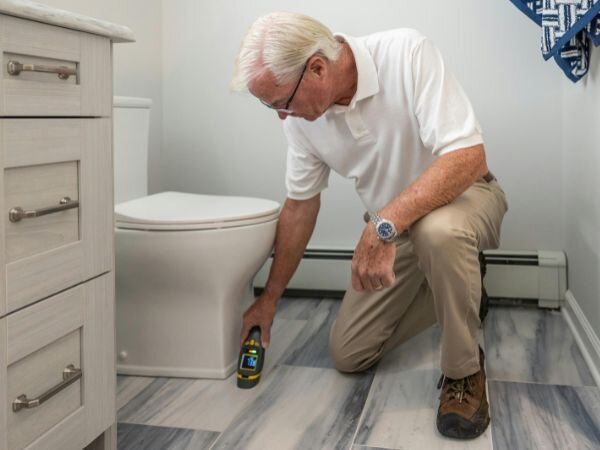
Not everyone who pumps tanks is qualified to sign off on a real estate inspection. Confusing the two is one of the more common mistakes I see.
Permitting, inspection, and enforcement all happen at the local health district, so the answer depends on your county. Some districts send their own environmental health specialist, the way Carroll County does. Others, Summit among them, require you to hire a registered private contractor whose report then goes to the health department for review. Most Ohio districts publish a list of registered installers, pumpers, and service providers, and that list is where a seller should start.
Lender-driven inspections follow a separate track. There, the lender decides who’s acceptable, usually a licensed professional or the local health authority. Some buyers’ agents push for an independent third party to avoid a conflict of interest, which is fair. Whichever route you take, check the inspector’s credentials with your county before you schedule. Paying for an inspection your buyer’s lender won’t accept wastes everyone’s time, and I’ve watched a closing slip a week over exactly that.
What Happens During a Real Estate Septic Inspection in Ohio?
Published county fees give you a rough anchor on cost. Trumbull County charges $300 for a point-of-sale septic evaluation, and Carroll County charges $350. Private inspectors set their own prices, and an inspection costs more when the system is complex or the septic tank has to be pumped for access.
The inspector locates and opens the tank, checks the inlet and outlet baffles, looks for backup or surfacing, and evaluates the drainfield, sometimes called a leach field, for saturation or failure. Water gets run through the home during the inspection, so the system is tested under real conditions rather than sitting idle. It’s a full look at the septic system, its history, and its layout, which covers a lot more ground than a walk around the yard.
What a septic failure means depends on who ordered the inspection. Summit County will let the property transfer and then work with the owner on the septic problem. A lender is less flexible, because underwriting can simply refuse to fund until the repair is done. An elective inspection a buyer orders on their own gives both sides the most room, since nobody’s compliance clock is running, and you can negotiate the outcome instead of complying with it. That room cuts both ways, because a buyer can back out after a home inspection in Ohio when the report rattles them.
How Septic System Age and Condition Affect Your Ohio Home Listing
Age matters more than most Ohio sellers expect, and the date to know is January 1, 2015.
Septic systems built before the current rules took effect were designed to older standards. That doesn’t make them illegal. Ohio Administrative Code 3701-29-02 says a system already in operation before those rules isn’t required to be replaced and is deemed approved, as long as it isn’t causing a public health nuisance. The catch sits at the end of that same rule. Your county can require an upgrade when flows increase or the structure changes substantially. Add a bedroom, and the old system’s grandfathered status can vanish. Operation permits have their own tangled history. Rules adopted in January 2007 introduced them, the legislature rescinded those rules later that same year, and the requirement in force today comes from the 2015 rules. That is the program your county has been phasing everyone into.
Age shapes the negotiation too. A 15-year-old system with clean service records is a short conversation. No records, wet spots near the leach field, and slow drains inside the home are a different animal, and an inspector will read it that way. The EPA recommends a professional inspection at least every three years and pumping every three to five years, and sellers who can produce that paperwork negotiate from visibly higher ground. Missing maintenance history makes buyers assume the worst, because with no information, they always do. Ohio’s rural stretches from Holmes County down through Hocking Hills are full of older systems still working fine, but your word for it isn’t a disclosure strategy.
How Septic Issues Affect Buyer Financing on Ohio Home Sales
Counting on a buyer with an FHA or USDA loan? That choice changes your septic problem in ways sellers usually find out about after they’re already under contract.
FHA doesn’t order an inspection automatically. Under HUD Handbook 4000.1, the appraiser has to examine the system for signs of failure or surface evidence of malfunction, and readily observable problems trigger a required repair or a further inspection. The system also has to satisfy the local health authority with jurisdiction. USDA goes further. Its guaranteed loan handbook requires the lender to obtain a septic evaluation on a privately owned system. A qualified appraiser, a health authority, a licensed septic professional, or a qualified home inspector can perform it, and the system has to be free of observable evidence of failure.
Ohio homes took a median of 43 days to sell in July 2026, according to Redfin, so buyers are moving. A real share of them, especially first-timers in rural Ohio, are using government-backed financing. If your septic system can’t clear those requirements, you’ve quietly cut a large slice of your buyer pool before a single showing. You can still sell. You just have to fix the problem, negotiate a repair credit, or reach a buyer who isn’t financing. Cash buyers, including local investors and companies like Cleveland House Buyers, sit outside those lender rules completely, which is why they tend to be the cleanest route when the inspection report comes back ugly.
Can You Sell a House in Ohio with Septic Tank Problems?
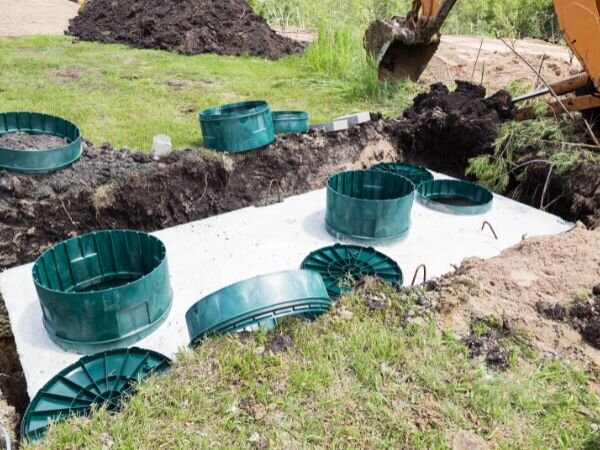
Plenty of sellers treat a failed inspection or a red-tagged septic system as the end of the road. That assumption is expensive.
You can sell. No Ohio law bars the sale of a home with a troubled septic system, because disclosure is what the law actually demands. How you structure the sale, and who buys it, decides whether you repair first, credit the buyer, or price the condition in and let them handle it after closing.
Ohio sellers have three real paths. Replacing or repairing the septic system before you list opens the widest buyer pool, and it costs the most up front. Angi’s current national data puts a full septic system at an average of $8,017, with most homeowners landing between $3,593 and $12,463. Ohio sits inside that range, though tough soil, like the clay-heavy lots in parts of Lorain and Erie Counties, pushes work toward the top of it.
Second option. A repair credit or an escrow holdback. Your buyer takes the property in its current condition, and an agreed sum is held at closing to cover the work. That keeps the sale alive without you fronting cash, though the lender has to approve the arrangement and may attach conditions.
Selling to a cash buyer is the third. A landlord in Brook Park had carried an inherited rental for six years that he’d never wanted in the first place. By the time he called, the septic system had failed its inspection, the tenant was gone, and the home had sat empty for months. He didn’t want to manage contractors, and he didn’t want a long listing process. He wanted out. We made him a fair cash offer with the septic condition priced in, and he closed on his own schedule. Nobody markets that kind of sale, but for a seller carrying a property they never asked for, it’s often the sanest one.
Cleveland House Buyers buys Ohio homes with septic problems, failed inspections, and open violations, and we don’t ask sellers to repair anything first. We work across Northeast Ohio, so whether your property sits in Cuyahoga County or you are looking for cash home buyers in Medina, the process is the same. If you want to see what a direct offer looks like before you sell, that conversation costs you nothing.
Frequently Asked Questions
Do You Have to Replace a Septic Tank When Selling a House?
No. Selling doesn’t trigger a septic tank replacement on its own. Ohio law requires you to disclose what you know about the system’s condition, and some counties or lenders require a passing septic inspection before closing. If the system fails, you can replace or repair it, negotiate a credit with the buyer, or sell to a cash buyer who has no lender conditions tied to the property.
How Much Does It Cost to Replace a Septic System in Ohio?
Replacement cost tracks soil conditions, system type, lot size, and the local permitting process. Angi’s national data puts the average near $8,017, with most homeowners paying roughly $3,600 to $12,500. Ohio properties with difficult soil or older installations can land anywhere in that spread. Get at least two licensed contractor estimates and check Ohio permitting requirements with your health department before you commit to anything.
Is It a Bad Idea to Buy a House with a Septic System?
Not at all. The EPA reports that more than one in five U.S. households rely on a septic system or a small community system, and a well-maintained one runs for decades. Buyers should weigh the septic system’s age, when the tank was last pumped, whether maintenance records exist, and what the inspection found. A working septic system isn’t a liability. It’s just different infrastructure than a sewer connection.
Can a Septic Tank Be Grandfathered In?
Often, yes. Ohio Administrative Code 3701-29-02 says a system in operation before the current rules took effect doesn’t have to be replaced and is deemed approved, provided it isn’t causing a public health nuisance. That protection has limits. The same rule lets your county require an upgrade when you add flows to the system or make substantial changes to the structure, and a failing system can be ordered fixed at any age. Your county health district is the office that can confirm where your specific system stands.
If you’re sitting on a property with a septic problem and you’re not sure what your choices really are, we’re happy to talk it through. No pressure, no obligation. Cleveland House Buyers works with Ohio homeowners in this exact situation every week, and sometimes a clear picture of the options is all it takes to see the next step.
Helpful Ohio Blog Articles
- Selling A House That Failed Inspection In Ohio
- Who Pays HOA Fees At Closing In Ohio
- How To File A Quitclaim Deed in Ohio
- Can Medical Bills Take Your House In Ohio
- How To Sell Your House With Septic Tank Problems In Ohio
- Can the Seller Back Out of a Contract in Ohio?
- How to Split Home Equity Fairly in an Ohio Divorce
- Should You Remodel Your Kitchen Before Selling Your Home
- Can I Sell My House in Ohio If My Spouse is in Jail
- How to Take Your House Off the Market in Ohio
- Do I Need a Lawyer to Add a Name to a House Deed in Ohio
- Selling a Home with a Reverse Mortgage in Ohio
- How to Show Your House While Still Living in It