

Handling real estate assets (like marital homes) with an ex-spouse can be difficult, especially within Ohio property laws. Determining whether an ex can sell a property (even with co-ownership) is meticulously dependent on Ohio property laws and statutes that require marital-spousal consent. This piece will detail property-protecting laws pertinent to Ohio co-ownership, separating (and divorcing) with an ex-spouse, and informing you on property rights. Understand the correlation between real property sold and the pertinent rights you have in the Ohio property laws.
Understanding Property Rights in Ohio
Understanding the complexities of marital property and required consents surrounding the sale of a house can prove challenging. The laws outlined in the Ohio Revised Code don’t simplify matters, given the multiple levels of disparity in respect to the functions and conditions of co-ownership of property and co-ownership relationships. Ohio law’s nuance with respect to property and consent issues allows residents (and former residents) of Ohio to protect their interests against a spouse’s unauthorized division and/or sale of property to a third party during or after the marriage.
The Role of Ohio Law in Property Sales
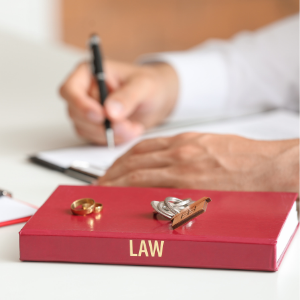
Ohio law plays a central role in regulating the sale of property, particularly in the context of marital estates. Ownership rights are determined under the Ohio Revised Code, which distinguishes between joint and separate property. The property title is key: if a house is jointly owned, both spouses must consent to any sale, ensuring that one party cannot unilaterally transfer the property and protecting both parties’ legal rights.
Understanding the difference between marital and separate property is critical. Marital property encompasses assets acquired during the marriage, which gives both spouses an interest in them. In contrast, individual property refers to assets owned by one person before the marriage or received individually through gifts or inheritance. These distinctions guide courts in resolving disputes over ownership and sales.
Ohio law also emphasizes equitable distribution, preventing one spouse from unfairly benefiting at the other’s expense. Courts provide mechanisms to address conflicts, review agreements, and ensure that both parties are treated fairly during the sale or management of jointly owned property. Legal consent is therefore not just a formality—it is essential to safeguarding property rights in Ohio.
What Defines Joint Property Ownership?
In Ohio, when two people are married, owning property jointly is referred to as tenancy by the entirety or joint tenancy with the right of survivorship. This means that both spouses have an equal, undivided interest in the property. Due to joint ownership, both spouses must agree on major decisions, such as selling or mortgaging the property. This is to ensure that neither spouse can take any action that is legally or financially detrimental to the other without obtaining the other’s consent.
Problems can arise when one spouse believes that the property in question should be considered separate property, rather than joint property. Courts will then examine how the property in question was acquired, as well as the intent of the parties involved. Ohio applies equitable partition principles to ensure a just outcome, taking into account the respective contributions and responsibilities of each spouse.
Understanding the concepts of equitable property division in Ohio helps individuals navigate the legal aspects of property sales and division. It allows Ohio residents to protect their rights when selling or dividing property, and also helps them make sound legal decisions when there are homes that are owned jointly.
Can a Spouse Sell the Home Without Consent?
Selling a house in Ohio isn’t simple, particularly because of the requirements of maintaining real estate laws. If the spouse wanted to sell the home without the partner’s consent, it would depend on the property’s title, who legally owns what, and the current laws in Ohio. For Ohio Spouses fighting over the sale of a house, understanding the distinctions between sole and joint ownership is key.
Understanding the system that governs real estate transactions in Ohio involves understanding the concept of neglected consent in closing such transactions. To help avoid unapproved sales, understanding property and title systems can be beneficial for both parties in such transactions.
Legal Requirements for Selling Property in Ohio

In Ohio, selling real estate or marital property involves aspects of real estate law in the Ohio Revised Code and local laws. A good starting point is to understand how the property is titled. Under Ohio law, if spouses own a home together, they must both give formal written approval before the house can be sold. This law is to protect each spouse’s individual ownership rights and prevents one spouse from making significant decisions alone that affect the overall net worth of the marriage.
It is also essential to understand the difference between marital property and separate property. Marital property is generally any valuable assets that are gained over the length of the marriage. Therefore, when considering the sale of marital property, both spouses must participate and reach a mutual agreement. On the other hand, separate property would include any valuable assets that an individual spouse possessed before the marriage. Gifts received during the marriage can also be considered separate property. While one spouse may be able to sell separate property, legally, there may still be an argument from the other spouse if ownership or contributions are disputed. Understanding these different classifications can help spouses determine what rights and ownership they may retain when lawfully selling or opposing the sale of marital or separate real estate property.
For you to legally buy or sell a property, there can’t be any liens, title defects, or any other sort of unresolved issues or problems related to the property in question. If there are any issues or disputes regarding the sale of the home, the court may get involved. A judge reviews the property documents, considers any prior agreements, and determines if the property can be legally sold in accordance with Ohio law. Due to these factors, a couple must be aware of the complex legal issues associated with selling property and the necessary legal requirements that need to be considered to protect the interests of both parties.
Implications of Selling a Jointly Owned Property
Selling a property that you jointly own with a spouse in Ohio comes with legal and economic implications. However, under Ohio law, a mutual agreement is required to float a sale, as both parties are owners. This law exists to protect the rights and interests of both parties, ensuring that neither takes unilateral action that may financially prejudice the other or unfairly infringe on their rights.
When not all parties are on board with a sale, issues can become complex. The courts can choose to step in and stop a sale, allocate proceeds in a particular manner, or even cancel a sale that takes place without authorization. All of these scenarios can take a considerable amount of time and incur substantial legal fees, as well as emotional distress, for those affected.
Equitable distribution plays a significant role in these matters in Ohio. Upon divorce or separation, the property, which, of course, includes the home, must be divided in a manner that is considered fair, even if it is not equal. Suppose one spouse attempts to sell the property without the other’s consent. In that case, the courts may consider various factors, including financial investment, home upkeep, or exceptional circumstances that would warrant a distribution that deviates from a straight split.
Understanding potential outcomes is critical. Knowing the legal outcomes helps spouses make rational decisions and avoid actions that could potentially snowball into expensive issues and necessitate court intervention during the process of selling co-owned real estate in the state of Ohio.
Protecting Your Rights in a Property Dispute
Property disputes in Ohio can become particularly complicated when one spouse attempts to sell a marital home over the other spouse’s objections. Knowing the legal protections of one’s ownership rights helps to craft an appropriate strategy to protect valuable interests. Statutory law and case law provide a myriad of tools to those defending their property rights. A working knowledge of Ohio property law, combined with other preventive legal actions, can help individuals protect their ownership rights against hostile property transactions.
Steps to Take if a Spouse Attempts to Sell the Home
Situations can become complicated very quickly when a spouse attempts to sell a home that you both own without the other’s permission. In this case, you need to consult with a property attorney. They can explain your rights to you and outline the steps that need to be taken to stop the sale. As you document the attempted sale in writing, provide your attorney with a copy of the deed, any mortgage documents, and any communication you have related to the sale to help them get a better picture of the situation.
You may also need to file a notice of action (lis pendens), which alerts potential buyers that a legal case is pending regarding the property. This can be a deterrent to them. Also, be sure to inform any attorney or real estate agent involved in the case of the active legal dispute. If your situation is such that you cannot wait to have the sale completed to be legally resolved, your attorney can get an injunction, which means that the court orders that the sale be put on hold while the legal case is in the process of being resolved.
In these matters, timing is crucial. Speed strengthens your legal position and prevents your spouse from gaining an unfair advantage in the process. If you act promptly and commit to collecting the necessary documents, you will establish a solid foundation for obtaining legal representation, protecting your property rights, and preventing any sales from proceeding without your legal consent.
Ohio’s Legal Options for Protecting Property Interests
Ohio has legal protections for your property interests in a dispute, especially when your spouse and/or ex-spouse attempts to sell a home you both own without giving you notice. The state adheres to the principle of equitable distribution, which means that when a court divides property or conducts an attempted sale, it strives to reach a fair settlement. If an owner tries to circumvent these rules, the court is empowered to intervene and rectify the situation.
If you believe that steps need to be taken to protect your ownership rights, legal action may be necessary. A lawsuit can put an immediate stop to the unauthorized sale and make your ownership claim in the property a legal one. Attorneys request and obtain temporary restraining orders from the court to stop the home sale, walk you through the proper legal steps, and make sure your rights to give or withhold consent are kept intact and in accordance with Ohio statute.
Ohio also supports no-court settlement options in a dispute. The most common approach is mediation, which enables both parties to work with and through a neutral mediator to reach a mutually acceptable agreement. In most circumstances, it is a faster and less stressful method for settling a dispute compared to full litigation. If mediation is unsuccessful, however, the court is always available as a backup to protect and enforce your rights, ensuring that no sale proceeds without proper safeguards in place.
In situations where both parties want to move on quickly or avoid a prolonged legal battle, Cleveland House Buyers can provide a practical solution. They buy houses throughout Ohio for cash, helping ex-spouses resolve property disputes more quickly. A quick cash sale can prevent further conflict, avoid court delays, and offer a clean break when both sides prefer a fast resolution.
Staying informed about changes in Ohio property law also helps protect your interests. Understanding updated court rulings and legislative adjustments enables you to make informed decisions and adjust your legal strategy as needed. With the correct information—and the proper support—you can confidently safeguard your property rights during any dispute.
Navigating Post-Divorce Property Ownership
Understanding how to approach post-divorce property ownership in Ohio is crucial, as it involves complex legal nuances in the disposition of marital property. Property division involves much more than just determining who gets what. There are legal titles, rights of ownership, and roles of the parties to consider. This knowledge helps ensure that interests are protected and disputes are minimized, and understanding how to approach property division during or after divorce is valuable in achieving that goal. This chapter outlines techniques for facilitating the ownership and division of property post-divorce, as well as the importance of seeking legal counsel for protection.
How to Manage Property Division and Ownership

Dividing property after a divorce in Ohio can be challenging, especially when both spouses still own their home together. Equitable distribution statutes govern courts in Ohio, so the courts consider both the financial and non-financial contributions of both spouses when dividing property. Since both spouses are typically co-owners of the home and both are listed on the title, major decisions, particularly regarding the sale of the house, are made by both.
One of the most essential things to settle when disagreeing about a home is determining whether the property is marital or separate. Property that is marital and is acquired during the marriage is subject to division. In contrast, individual property, which is usually an inheritance or property acquired before the marriage, remains with the original owner. Being able to clarify this helps determine each spouse’s legal rights during the sale or division of the property.
Legal counsel is usually necessary in these situations. A knowledgeable property or divorce attorney in Ohio can explain ownership rights, advise on, and assist with the review of prenuptial or postnuptial agreements, and help resolve disagreements regarding the sale of property. If it comes to the point where the parties are at an impasse, the court can step in to prevent a sale that is unauthorized or is otherwise inequitable.
Steps like obtaining a formal assessment or considering a buyout are also straightforward measures that can make things easier. With a buyout, one spouse can keep the house by buying the other spouse’s interest, which can be easier than going through litigation.
For ex-spouses who want to avoid drawn-out disputes, repairs, or listing delays, Cleveland House Buyers offers a fast and practical solution. They buy houses for cash in Cleveland and throughout Ohio, allowing former spouses to sell fast without needing both parties to navigate the traditional real estate process. This can be especially helpful when communication is strained or when both parties want a clean break and a quick financial resolution.
Ultimately, navigating property division in Ohio requires a balance of legal clarity, communication, and informed decision-making. By understanding your rights and exploring all available options—including legal counsel and cash-buyer solutions like Cleveland House Buyers—you can move forward with confidence and protect your financial interests after divorce. Contact us at (440) 577-6552 today!
Frequently Asked Questions
Can my ex sell the house in Ohio without my permission?
In Ohio, if a house is jointly owned, both spouses must typically agree to the sale of the home. This ensures that one side can’t sell the property without the other’s consent, and that both spouses’ rights are protected.
What is the difference between marital and separate property in Ohio?
Marital property is property that is acquired in the course of the marriage, and both parties can claim an interest in that property. Separate property is property that one spouse owns before the marriage, or property that one spouse acquires individually through an inheritance or a gift. This is an essential distinction so that people know whether consent is required for the sale to proceed.
What can I do if my spouse is trying to sell the home we both own, and I have not given my approval?
You should consult with a property lawyer in Ohio to determine your options. You may file a notice of action (lis pendens) to inform prospective buyers of the dispute. Or, you could obtain an injunction to prevent the sale of the property while the disagreement is active.
How does Ohio law make sure people are treated fairly when it comes to disputes over property ownership?
Ohio law has protective measures in place to ensure equal distribution, ensuring that both spouses are treated fairly in property disputes. The court may consider ownership and any other agreements to prevent one spouse from taking advantage of the marital property.
What does a lawyer do when it comes to property disputes during a divorce in Ohio?
A lawyer clarifies property law and mediates disputes to resolve them. If a court is involved, the lawyer represents your position. Each case is examined in light of Ohio statutes, and the lawyer can advise on a fair split, taking into account prenuptial agreements and other relevant legal factors.
Helpful Ohio Blog Articles