Selling a rental property in Ohio comes with its unique set of challenges, especially when tenants are involved. As a landlord, it’s crucial to navigate both the legal complexities and tenant rights to ensure a smooth transaction. This guide provides practical steps to help you prepare your property for sale, communicate effectively with tenants, and manage the nuances of Ohio’s property laws. Whether you’re a seasoned investor or new to property sales, understanding how to leverage the market and maintain a positive tenant relationship will be key in achieving a successful sale.
Key Highlights
- Understanding Ohio market conditions is key to strategically timing your property sale.
- Effective communication with tenants ensures a smooth sale process and maintains trust.
- Enhancing curb appeal and conducting repairs boost marketability and buyer interest.
- Legal compliance is essential to avoid disputes and reassure potential buyers.
- Refinancing offers a viable alternative to selling, improving cash flow and property value.
Selling Rental Property in Ohio: Overview
Selling a rental property in Ohio involves various factors which directly impact the process, including market conditions, timing, and understanding the reasons for your sale. Understanding the dynamics of the Ohio rental property market can help you navigate through the complexities of property sales. Timing is crucial in property sales and can substantially influence your profit margins. By delving into the Ohio market and perfecting your timing, you set the stage for a successful property sale. Explore these integral aspects to ensure you’re making informed decisions about selling your rental property.
Understanding Ohio Property Market Conditions
The Ohio property market is diverse, characterized by rapidly changing trends particular to specific areas like Columbus. As a landlord, understanding these market conditions can significantly impact the success of your property sale. It is imperative to conduct thorough market research which involves analyzing recent sales to gauge the current pricing trends in your specific locality. This process will help determine why you’re selling, whether it’s due to anticipated market dips or leveling off. Appraisals play a crucial role here, providing an accurate valuation of your rental property so you don’t undersell or overprice. By staying informed on the local market conditions, you ascertain the optimal timing, leading to potentially higher profits and a smoother selling experience.
The Importance of Timing in Property Sales
Timing is a critical component when selling rental properties in Ohio. Understanding when to list your property can maximize your returns and minimize the stress associated with selling. Seasonal fluctuations in the Ohio market can affect buyer interest, and understanding these patterns can give you an advantageous edge. For instance, properties often see increased activity in spring and summer, making it a prime time for listing. Additionally, evaluating personal factors such as lease agreements or anticipated market changes is essential. Calculating the timing with appraisal insights can offer immense benefits, solidifying your strategic approach to property sales. If the timing is aligned with favorable market conditions, you’re more likely to attract serious buyers prepared to meet your price expectations.
Identifying Tenant-Occupied Property Challenges
Selling a tenant-occupied property in Ohio comes with unique challenges that landlords must navigate thoughtfully. Understanding these intricacies can lead to a smoother sale process. Whether dealing with legal obligations or managing tenant relationships, each aspect requires careful consideration to maintain property value and tenant cooperation. It’s crucial to recognize that challenges differ from those of vacant properties, highlighting the importance of strategic communication and planning. By comprehensively identifying these obstacles, landlords can better position themselves to meet both their selling goals and tenants’ needs, facilitating a more seamless transaction.
An Overview of Selling Tenant-Occupied Properties
Selling a tenant-occupied property involves navigating a range of challenges distinct from selling vacant properties. One of the primary challenges is balancing the rights of your tenants with your desire to sell your rental property in Ohio. You’ll need a thorough understanding of the lease agreement and any legal obligations concerning eviction or notice periods. It’s often necessary to work within the constraints of the current lease, potentially affecting the sale’s timing and logistics. Additionally, potential buyers may have concerns about existing tenants, such as lease terms and tenant behavior, impacting the property’s marketability. Proper documentation and transparent communication can alleviate these challenges, helping reassure buyers while respecting tenant rights. By acknowledging these factors, landlords can strategically approach the sale, ensuring all parties are informed and prepared for the transition process.
Communication Strategies with Tenants During Sale
Effective communication with your tenants during the sale process is vital for ensuring a smooth transaction. Start by informing your tenants early about the decision to sell, which respects their situation and helps in reducing anxiety or resistance. Transparency is a key factor, so providing detailed information about the sale timeline and what tenants can expect not only maintains their trust but also assures them of your commitment to their welfare. Discuss any showings or inspections in advance, respecting their space while coordinating with real estate professionals. Flexible scheduling can help minimize disruption to tenants’ routines. Considering tenants as part of the process, rather than obstacles, significantly contributes to a more favorable selling environment. Such proactive communication enhances tenant cooperation, making it possible to address any concerns swiftly and amicably, ultimately aiding in the successful sale of your Ohio rental property.
Reviewing the Lease Agreement: Key Considerations
When selling rental property with tenants in place, understanding and navigating the lease agreement is crucial. In Ohio, landlords must meticulously review lease agreements to ensure compliance with legal requirements and identify any implications on the sale process. Considerations include evaluating the lease term and understanding Ohio rental laws that govern landlords’ and tenants’ rights. By thoroughly assessing these factors, you can strategize effectively, ensuring a seamless transition while protecting both your interests and those of your tenants.
Lease Term Evaluation and Implications on Sale
The lease term significantly affects how you approach selling your rental property in Ohio. If your lease agreements indicate long-term commitments, potential buyers might be deterred if they aim to occupy the property soon or have specific plans requiring tenant turnover. Thus, evaluating the lease term becomes essential in determining your sale strategy. Consider short-term leases as advantageous in flexibility, offering buyers quicker possession opportunities. Alternatively, leases expiring soon might allow easier clean breaks post-sale. However, these scenarios require open communication with tenants to align everyone’s expectations and respect legal obligations. Review lease agreements carefully to foresee challenges, whether it’s timing planned viewings or negotiating with tenants for early termination without legal repercussions. By acknowledging the overall implications of existing leases, you can proactively mitigate issues, providing potential buyers with clear, actionable timelines, thus enhancing the property’s appeal in the Ohio market.
Legal Restrictions and Ohio Rental Laws
Understanding Ohio rental laws is paramount to successfully navigating the sale of a rental property. These laws dictate how lease agreements should be managed during a sale, ensuring both landlord and tenants’ rights are protected. Familiarity with the Ohio Revised Code allows you to address legal constraints, such as proper notice periods for lease terminations and tenant rights if the property changes ownership. It’s crucial to remember that tenants’ rights remain protected under a lease agreement, even amid a sale, thus enforcing proper legal channels is necessary. The Ohio law also stipulates obligations concerning tenant privacy during showings. Reviewing these aspects ensures you don’t face legal pitfalls that could hinder the sale process. A thorough examination of your legal obligations helps maintain transparency with tenants and reassures potential buyers of a smooth, compliant transaction process. Therefore, understanding these legal nuances is essential for landlords to navigate the sale and transition efficiently.
Preparing Your Rental Property for Sale
Preparing your rental property for sale in Ohio requires strategic planning and attention to detail. Enhancing your property’s curb appeal and ensuring thorough inspections and repairs are vital steps to attracting potential buyers and securing a favorable sale. By focusing on these key elements, you not only boost the property’s marketability but also streamline the selling process. These preparations also demonstrate a landlord’s commitment to maintaining quality, which can appeal to discerning buyers. This approach aligns with the strategic insights previously discussed, offering a clear path to maximizing your property’s value before it hits the market.
| Curb Appeal Enhancement | Property Inspections | Necessary Repairs |
| Landscaping | Structural Assessment | Roof Fixes |
| Exterior Paint | Plumbing Check | HVAC Maintenance |
| Lighting Improvements | Electrical Safety Review | Appliance Servicing |
| Clean Walkways | Pest Evaluation | Interior Paint Touch-ups |
This table encapsulates the strategic steps for effectively preparing a rental property for sale, aligning with market insights and optimizing property value.
Enhancing Curb Appeal: Tips for Ohio Properties
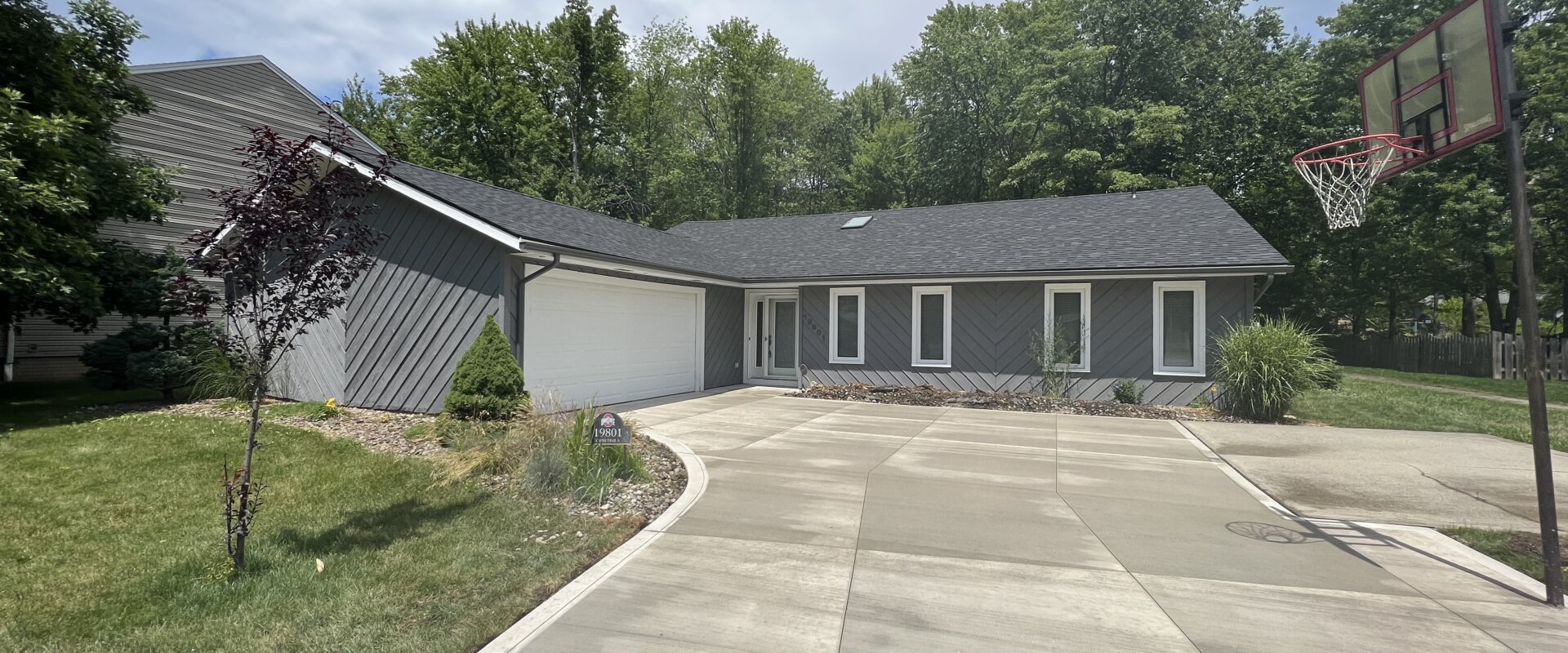
Enhancing curb appeal is crucial when preparing your rental property for sale, especially in Ohio’s competitive real estate market. Start by evaluating the exterior of your property with a critical eye. Simple landscaping can make a significant impact; mowing the lawn, trimming shrubbery, and planting seasonal flowers can attract the attention of potential buyers. Keep pathways clear and consider pressure washing driveways or sidewalks to provide a fresh look. Updating the property’s front door or repainting the exterior can also elevate its appearance, making it more inviting. These enhancements are not just about aesthetics; they symbolize a property well-cared-for, reassuring buyers of its overall condition. Doing so reflects a proactive approach to property management, demonstrating to buyers that the property has been maintained with diligence, thus reinforcing the value of their investment. By prioritizing curb appeal, you set the stage for a positive first impression, encouraging potential buyers to explore more.
Inspections and Repairs: Ensuring a Smooth Sale
When selling a rental property in Ohio, thorough inspections and timely repairs are indispensable for a successful transaction. Conduct a comprehensive inspection to identify any underlying issues that might deter buyers. Focus on structural components such as the roof, foundation, and HVAC systems, which often require significant attention. Address any necessary repairs promptly to prevent them from becoming negotiating points during the sale. Furthermore, maintaining an updated log of all repairs and upgrades can serve as an assurance of the property’s sound condition. This not only facilitates a smooth appraisal process but also aids in transparent communication with potential buyers, showcasing your commitment to property management. By ensuring that the property is in top condition, sellers can reduce legal complications and expedite the sale process. Inspections help in setting realistic expectations for the property’s value, aligning with market conditions and previous insights about timing. Such diligence protects both the landlord and buyer, making for a seamless sale in Ohio’s dynamic real estate market.
Effective Strategies for Marketing Your Property
To successfully sell your rental property in Ohio, it’s key to adopt strategic marketing approaches that highlight tenant benefits and attract potential buyers. Understanding market trends can guide your efforts, ensuring you reach a targeted audience eagerly seeking investment opportunities. By emphasizing the added value tenants bring and crafting compelling property listings, you can substantially enhance your property’s appeal. These strategies not only facilitate a quicker sale but also help in achieving optimal pricing, surpassing common market challenges. Ensuring your marketing is aligned with tenant advantages can create a seamless pathway to successful selling.
Targeting Potential Buyers in Ohio
In the competitive Ohio real estate market, targeting the right potential buyers is crucial for a successful sale of your rental property. Start by understanding the specific demographics interested in Ohio’s rental market. Potential buyers often include investors looking for a steady income stream, professionals attracted to urban living, or families seeking suburban stability with rental flexibility. Focus your marketing strategies on platforms and channels frequented by these groups, such as online real estate marketplaces, local investment groups, and community social media pages. Highlighting your property’s key features, like its location and high tenant retention rates, can draw buyer interest. Additionally, detailing any completed improvements or unique selling points in straightforward terms helps potential buyers envision the property’s value. Collaborate with professionals who understand Ohio’s nuanced market trends, enabling you to craft a narrative that resonates with local preferences. By honing in on the right audience, you not only boost your property’s visibility but also increase the likelihood of receiving competitive offers.
Describing Tenant Benefits in Property Listings
Incorporating tenant benefits into your property listings can significantly enhance their appeal to potential buyers. When marketing a rental property, especially in Ohio’s dynamic real estate environment, it’s essential to frame these benefits clearly and compellingly. Highlight features that appeal to investors, such as consistent rent payments or minimal turnover rates, which suggest a dependable income stream. Discuss the quality of the tenant relationships and any long-term lease agreements, providing assurance of stability. Additionally, emphasize any upgrades or maintenance efforts that improve tenant satisfaction, showcasing your property management prowess. Mention local amenities, like proximity to public transport or educational institutions, which enhance tenants’ living experiences, thereby suggesting a higher rental value. Tailoring your property listings to include these aspects not only helps potential buyers envision a seamless transition but also underscores the property’s investment potential. By effectively communicating tenant benefits, you create a narrative that aligns with buyers’ investment goals, ensuring your property stands out in Ohio’s competitive market.
Navigating the Sale Process with Tenants in Residence
Selling a rental property in Ohio while tenants occupy it requires strategic navigation to ensure a smooth transaction. Balancing tenant rights with your selling objectives involves understanding lease agreements and exploring options within the Ohio legal framework. Communication remains crucial, and presenting suitable solutions like cash for keys agreements might ease the transition for both tenants and landlords. By addressing these aspects thoughtfully, you can facilitate a seamless sale process that respects tenant considerations and fulfills your property selling goals.
Exploring Options for Involving Tenants
Involving tenants in the sale of a rental property in Ohio can significantly influence the success of the process. It’s important to first review the lease agreement to understand both the tenant’s and landlord’s obligations. Open and transparent communication about your intent to sell can cultivate a cooperative atmosphere. This involves discussing showing schedules and providing necessary notice, which respects tenants’ daily routines. Different options can be explored to ensure a smooth sale, such as offering lease termination agreements with incentives for the tenants to vacate early. Another approach is keeping the tenants on board until the property is sold, maintaining rental income while positioning it as an investment opportunity for buyers. Flexible solutions ensure that tenant cooperation aids in the seamless transition of property ownership. Additionally, tenants aligned with the sale process can help maintain the property, boosting its appeal to potential buyers. Engaging tenants through these avenues makes the tenants part of the solution rather than obstacles to the sale process.
The Pros and Cons of Cash for Keys Agreements
When navigating through selling a tenanted rental property in Ohio, cash for keys agreements can be a practical consideration. This approach involves negotiating with tenants to leave the property amicably before the end of the lease term in exchange for compensation. It lets landlords expedite the process, sidestepping potential legal hurdles linked to lease termination. One of the notable advantages of such agreements is minimizing disruptions during showings, as vacant properties tend to attract more buyers. Furthermore, offering cash as an incentive encourages a cooperative exit strategy, smoothing the transition for all parties. On the downside, the financial cost of offering compensation needs careful consideration, as it might impact the overall profitability of the sale. Additionally, some tenants might not be amenable to this offer, preferring to stay until their lease’s natural end. The challenge is negotiating a beneficial deal that aligns with both the landlord’s objectives and the tenant’s needs. Assuming well-managed discussions and clear agreements, cash for keys can lead to advantageous outcomes, making it a versatile tool within your selling strategy.
Negotiating a Sale: Understanding Offers and Terms
Successfully selling rental property in Ohio involves a deep understanding of sale negotiation nuances, particularly when tenants are involved. Navigating offers and terms is crucial to ensure a fair deal that aligns with both landlord objectives and buyer expectations. From evaluating multiple offers to employing effective negotiation techniques, landlords can enhance their property’s appeal and secure a favorable transaction. Mastering these elements provides landlords with the tools needed to navigate Ohio’s complex real estate market efficiently and profitably, leading to a streamlined and successful property sale.
Evaluating Offers: Factors to Consider
When evaluating offers for your Ohio rental property, multiple factors come into play that extends beyond the price proposed by potential buyers. One critical element to assess is the financial stability of the buyer , ensuring they have secure financing can mean the difference between a successful closing and a deal falling through. Another consideration is the contingencies attached to their offer. For instance, some buyers might request additional inspections or repairs, impacting the overall timeline and cost of the sale. Their requested closing date and flexibility in terms might also play a crucial role, especially if tenants are still residing in the property. Offers that align better with your timeline might be more favorable, even if priced slightly lower, as they can reduce holding costs and rental income uncertainties. Beyond these logistical aspects, appraisals play a pivotal role in offer evaluation. Accurate property valuation mitigates the potential for appraisal gaps that could derail financing. By comprehensively assessing these factors, landlords can make informed decisions about which offer to accept, ultimately steering the sale to a smoother closure.
Successful Negotiation Techniques in Ohio
Successful negotiation of an Ohio property sale hinges on more than just understanding the offers, it requires strategic planning and effective communication skills. One of the keys to effective negotiation is being prepared with solid market data. Understanding comparable sales and current market trends strengthens your negotiating position, helping set realistic expectations and defuse unreasonable buyer demands. Transparency is another vital element; openly discussing property strengths and limitations fosters trust. It’s crucial to know your walk-away threshold and be prepared to counter offers assertively while highlighting the property’s unique selling points, such as tenant stability or recent upgrades. Flexibility in negotiation can also be beneficial. For instance, considering a buyer’s request for a longer closing period might appeal, especially if it leads to better terms elsewhere in the deal. In Ohio, where legal complexities can affect the sale process dynamically, ensuring all negotiation terms adhere to local real estate laws is non-negotiable. By integrating these techniques, landlords can enhance their negotiation outcomes, securing deals that not only meet their objectives but also insulate them from future disputes or complications arising from the transaction.
Understanding Tax Implications in Selling Ohio Rental Properties
Selling rental properties in Ohio involves navigating various tax implications, crucial for maximizing your financial return. Understanding how capital gains tax impacts your sale can guide you in strategizing more effectively. With Ohio law dictating specific tax responsibilities and potential liabilities, gaining insight into minimizing them is vital. Landlords must be aware of capital gains tax and how it applies to their real estate sales. Additionally, exploring strategies for reducing tax burdens through well-planned transfer processes can keep more money in your pocket. This comprehensive guide helps you tackle these elements, ensuring a smoother real estate transaction.
Capital Gains Tax Considerations
Capital gains tax is a primary consideration when selling rental properties in Ohio. The tax applies to the profit made from the sale of property and can significantly affect your earnings. It’s essential to understand that Ohio law stipulates specific guidelines about how these taxes are calculated and what exemptions might be available. For instance, owning a property for over a year can qualify it for long-term capital gains tax, typically at a lower rate than short-term gains, which are taxed as regular income. Additionally, understanding the adjusted cost basis of your property, including the purchase price plus any capital improvements, is crucial for accurately determining your taxable gain. Proactively managing your capital gains tax liability can prevent unwelcome surprises at sale completion, ensuring you’re positioned to maximize the sale’s financial benefits. Using proper documentation and accurate tax reporting can secure compliance and leverage potential tax advantages, aligning your sale strategy with your financial goals.
Strategies to Minimize Tax Liability
Reducing tax liability when selling rental properties in Ohio involves strategic planning and awareness of Ohio’s tax laws. One effective strategy is to partake in a 1031 exchange, where you reinvest the proceeds from your sale into a new property, allowing you to defer capital gains taxes. This tactic aligns with long-term investment goals and fosters portfolio growth without immediate tax pressures. Additionally, consider targeting tax incentives or deductions specific to your property’s region or characteristics, such as energy-efficient upgrades or location-based tax credits. Properly organizing and tracking improvements made to the property can also support tax savings by adjusting the property’s basis, ultimately lowering taxable income. Timing the sale of your property is another critical aspect, selling in a lower-income year can reduce overall tax brackets and liability. Engaging with tax professionals familiar with real estate can offer personalized advice, optimizing your strategies for Ohio’s specific tax landscape. Collectively, these strategies position you to effectively manage your tax liability, ensuring you retain more proceeds from your property sale.
Common Challenges and Solutions in Selling Rental Properties
Selling rental properties in Ohio poses unique challenges, particularly when dealing with tenant-occupied properties. From addressing potential objections potential buyers may have to navigating legal compliance, selling can be complex. Understanding these challenges and exploring potential solutions can facilitate a smoother transaction. By effectively managing objections and ensuring you’re compliant with Ohio real estate laws, landlords can improve the property’s marketability while safeguarding tenant rights. This guide aims to help property owners navigate these common obstacles, ensuring both successful sales and legal compliance.
Overcoming Objections from Potential Buyers
When selling a rental property in Ohio, potential buyers might have objections due to the presence of tenants. Addressing these objections involves understanding and presenting the benefits of tenant-occupied properties. For many buyers, especially investors, existing tenants provide immediate rental income, enhancing the property’s allure. To counteract concerns regarding tenant behavior or lease agreements, emphasize transparent tenant rental histories and clear terms outlined in current leases. Additionally, providing documentation on the property’s upkeep and any upgrades assures buyers the property is well-maintained. Establishing open communication channels with potential buyers also builds trust and reassures them that you’ve managed the tenants and maintained the property responsibly. Highlighting tenant cooperation in maintaining property during showings can further assuage buyer concerns, positioning the rental property as a sound investment opportunity. By carefully framing these aspects, sellers can successfully mitigate buyer hesitations, paving the way for efficient property transactions.
Legal Considerations: Ensuring Compliance with Ohio Law
Navigating legal considerations when selling rental properties in Ohio is essential to avoid complications. Ohio law requires landlords to honor existing lease agreements and adhere to stringent legal obligations. Compliance involves delivering proper notice to tenants about the sale and ensuring any showing respects tenant privacy rights. Familiarity with the Ohio Revised Code is critical for understanding tenant and landlord obligations under the law, including eviction rules and notice periods. Ensuring compliance with these legal mandates not only protects you from potential legal disputes but also assures buyers of a legally sound transaction. Consulting with real estate lawyers or experts can provide clarity on complex issues, helping ensure every step is above board. This knowledge not only protects existing tenant relationships but also enhances the credibility of your property, making it more attractive to potential buyers. Covering these bases ensures a smoother selling process, aligned with both Ohio’s legal framework and real estate market dynamics.
Alternatives to Selling Tenant-Occupied Properties
Exploring options beyond selling tenant-occupied properties in Ohio can offer strategic advantages for landlords. With the complexities tied to lease agreements and tenant management, you might consider pathways that preserve rental income while enhancing property value. These alternatives range from renting to new tenants, refinancing, or even making use of cash for keys agreements. By understanding these options, landlords can navigate tenant-occupied scenarios wisely, ensuring both tenant satisfaction and financial stability. Delving into these strategies allows you to align your property’s future with your investment goals while withholding a potentially premature sale.
Considering Renting to New Tenants
If selling your tenant-occupied rental property in Ohio seems challenging or counterproductive, renting to new tenants can be a viable alternative. Ohio’s rental market continually evolves, and assessing the current landscape could reveal opportunities for attracting tenants who match your property’s profile better. Keeping your property as a rental may provide steady income while waiting for favorable sale conditions. Evaluate the terms of existing leases and discuss tailored renewal options that might better suit future market trends. New tenants can offer a fresh start with renegotiated agreements, potentially boosting rental income and property value. Make strategic improvements or market the property’s amenities to attract a demographic shift aligning with modern demands. Enhancing curb appeal and making interior upgrades can appeal to prospective tenants seeking quality living environments. Through targeted advertising and competitive pricing, you’ll attract renters keen on long-term stays, effectively transforming your investment strategy while preserving property value.
Potential Benefits of Refinancing Options
Refinancing your Ohio rental property can be an effective alternative to selling, especially when tenant-occupied. Lowering your mortgage interest rate or changing loan terms might enhance cash flow, making holding onto your property more financially viable. By taking advantage of Ohio’s fluctuating interest rate environment, you might reduce monthly payments significantly, increasing liquidity while retaining ownership. This approach also allows reinvestment into property upgrades without the immediacy of a sale, which could lead to a higher eventual market valuation. Partnering with financial advisors familiar with real estate can uncover tailor-made refinancing deals beneficial to your unique situation. Additionally, refinancing can offer funds for strategic improvements, boosting tenant satisfaction and potential rent increases. It’s a consideration that strengthens your investment portfolio, postpones selling until market conditions are optimal, and gives time to enhance property appeal. Engage lenders offering competitive terms in Ohio, ensuring refinancing aligns with your broader financial objectives and long-term property strategy.
Selling a rental property in Ohio with tenants can seem daunting, but with careful planning and strategic execution, the process can be streamlined. By understanding tenant rights, addressing lease terms, and effectively communicating with your tenants, you can achieve a smooth transaction. Consider consulting professionals to navigate legal and financial nuances, ensuring compliance and mutual agreement where needed. Ultimately, staying organized and responsive can facilitate a hassle-free sale, allowing you to transition seamlessly while maintaining positive tenant relations and maximizing your property’s value.Rich content results: FAQs
What steps should I take to prepare my rental property for sale in Ohio?
Enhance curb appeal and conduct thorough inspections and repairs. Begin by evaluating the exterior, performing landscaping, and addressing maintenance issues. A well-maintained property can attract more buyers and streamline the sale process.
How can timing affect the sale of my rental property in Ohio?
Timing is critical and can significantly influence profit margins. Consider market conditions, seasonal buyer activity, and lease agreements. Properties listed in spring and summer generally see higher buyer interest.
What legal considerations should I be aware of when selling a tenant-occupied property in Ohio?
Legal compliance is essential. Understand tenant rights, lease agreements, and necessary notice periods. Consultation with legal experts can ensure you remain compliant with Ohio real estate laws while respecting tenant privacy.
How can I effectively communicate with my tenants during the sale process?
Begin by informing them early about the decision to sell. Provide detailed information on timelines and expectations. Discuss showings and inspections in advance, ensuring minimal disruption to their daily routines.
What are cash for keys agreements, and how can they facilitate the sale?
Cash for keys agreements involve offering tenants compensation to vacate the property amicably, facilitating an easier sale by avoiding lease-related hurdles. This approach can smooth transitions and enhance buyer interest in a vacant property.
Helpful Ohio Blog Articles
- How to Sell an Apartment in Ohio
- How to Avoid Closing Costs in Ohio
- Can My Ex-Partner Sell Our House Without My Approval in Ohio?
- Do All Heirs Have to Agree to Sell Property in Ohio?
- How to Sell a Condemned House in Ohio
- Does a Seller Pay Closing Costs in Ohio?
- Selling a House with Delinquent Property Taxes in Ohio
- How to Sell a Rental Property in Ohio