Navigating the sale of a condemned house in Ohio can be challenging, as these properties often come with unique hurdles and potential legal restrictions. However, with the right approach and knowledge, selling a condemned property is entirely possible. This guide provides insightful tips to help homeowners understand the process, obligations, and options available to them when dealing with such homes. Whether facing structural issues, code violations, or municipal directives, unlocking the opportunity to sell can be achieved through strategic planning and informed decision-making, ensuring a smoother transition for all parties involved.
Key Highlights
- Condemnation in Ohio occurs when a house is deemed uninhabitable due to safety violations, requiring legal foresight.
- Transparent disclosures about defects are crucial to avoid legal issues when selling a condemned home.
- Strategically prioritizing repairs enhances market appeal and compliance with Ohio’s legal standards.
- Selling as-is appeals to investors, requiring compliance with legal obligations and strategic pricing.
- Selecting the right selling option involves weighing financial circumstances, legal factors, and market dynamics.
Understanding What a Condemned House Is
Understanding the intricacies of a condemned house is crucial for homeowners, especially when considering selling one in Ohio. Condemnation occurs when local authorities determine a building is unfit for habitation. This process can be due to various safety violations, structural issues, or a lack of proper maintenance over time. Knowing when a house becomes condemned, and the characteristics that define these properties, can help navigate potential condemnation. For Ohio homeowners, this knowledge can turn the daunting challenge of selling a condemned house into a manageable, achievable endeavor.
When Does an Ohio House Become Condemned?
In Ohio, if a home is deemed condemned, it means local authorities have found it unfit to live in because it contains serious safety violations. This is usually initiated when a property is inspected, in response to nearby neighbors’ complaints, routine surveys, or even the property owner admitting to significant problems.
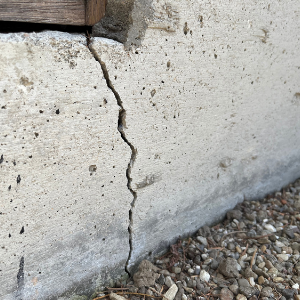
Common reasons a home may be condemned include serious structural problems, utility failures, or the presence of dangerous materials. Structural issues can be caused by foundation settlement, termite infestation, or widespread mold. Utilities such as water, electricity, or gas may be shut off due to unpaid bills or concerns about their safety. If any of this is the case, the property is uninhabitable.
Authorities give notice and guide steps to make the home safe to live in. If these steps are not taken, the authorities may even order that the house be torn down. This is done to ensure public safety. If the condemned home is a barricade to the public, the government can take control of the property.
If the home is under mortgage, condemnation can cause stress, as most lenders will not lend on unlivable homes. If the house is condemned, there are legal complications when selling it, particularly with buyers who intend to do major remodeling. Understanding the process helps homeowners take steps to mitigate damage to their investment and simplify the legal process.
Key Characteristics of Condemned Houses in Ohio
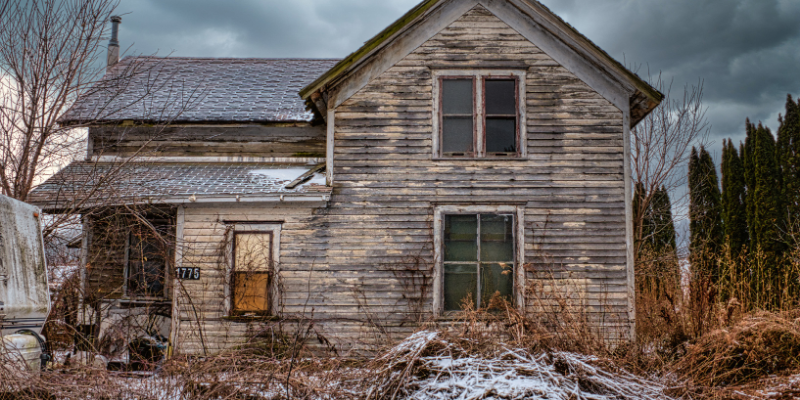
Abandoned houses in Ohio often face issues like unmaintained structures, damaged roofs, broken windows, and infestations, which are just the tip of the iceberg. Further, the loss of plumbing, flooding in the basement, and mold growth are additional issues that potential squatters should be concerned about. Additionally, lack of power, or running hot and cold water, makes the domicile uninhabitable and contributes to the condemned status of the domicile. However, the houses are also a fire hazard. Homes such as these have electrical systems that fail at such a high rate that they can become a fire hazard.
Condemned homes often lack basic utilities, such as water, power, or gas, which are usually bankrupt, shut off, or simply off due to safety issues. Additionally, the homes are condemned due to aesthetic problems. The homes are hazardous to enter. Beyond this, vandalism, broken furniture, unkempt grass, and broken windows can also reduce the neighborhood’s overall value.
If sellers understand these issues, it will be much easier to communicate the property’s condition to potential buyers. It will also allow them to define the home’s potential. The demand for the house will be directly tied to the effort required to renovate it. From the Ohio homebuyer’s perspective, it is about flipping the home rather than selling it. It turns losing a house into a winning location.
Legal and Disclosure Requirements for Selling a Condemned House
When selling a condemned house in Ohio, there are many state-specific legal requirements and disclosure obligations that apply. Homeowners must first determine whether they are legally able to sell a condemned house and what disclosures are required, or face legal issues. In addition to meeting legal requirements, these factors are critical for addressing potential buyers’ concerns. Legal reviews assist owners in transforming the concept of selling a condemned house from a frustrating hurdle into a selling opportunity.
| Legal Selling Requirement | Disclosure Duties | Potential Repairs | Buyer Considerations |
| Obtain Necessary Permits | Disclose Property Condition | Structural Integrity | Property Use Limitations |
| Comply with State Laws | Provide Inspection Reports | Utility Upgrades | Renovation Costs |
| Transfer of Ownership | Disclose Health Hazards | Code Violations | Financing Challenges |
| Clear Title Issues | Document All Repairs | Environmental Remediation | Insurance Requirements |
This table outlines and simplifies the legal and disclosure obligations for selling a condemned house in Ohio, providing clarity on how to navigate the complexities of such transactions.
Can You Legally Sell a Condemned House?
In Ohio, a condemned house can be sold, but a few steps must be taken. The first step will be determining the reason for the property’s condemnation, as it will be one of the determining factors for the steps you will need to take, including legal steps, repairs, or disclosures.
Some condemnations may be for minor violations that can be easily fixed, but others may be much more complex to address, as they involve serious safety or structural issues. Ohio real estate attorneys can be great for these types of problems, as they can prepare the documents for you, handle them, and ensure you are compliant.
The legal requirements are of utmost importance when there are demolition orders issued by government agents or when the property is, or could be, subject to eminent domain. Some sellers will reach a compromise that allows a property to be sold. Still, only if the buyer agrees to complete the necessary construction clean-up, and the buyer is responsible for any rehabilitation, repairs, or construction required as a result of the sale.
Knowing the law reduces and manages the anxiety that sellers and buyers will feel. The sellers and buyers can focus on other aspects of the sale.
Disclosure Obligations for Ohio Condemned Properties
Being honest about the condition of a condemned house for sale in Ohio is the best way to ensure there are no legal problems with the property. Ohio law requires sellers to disclose all known material defects, including structural issues, code violations, and conditions that may lead to the house’s condemnation.
Disclosures related to foundation problems, damaged roofs, and defective plumbing, heating, and electrical systems are also often required. Ohio sellers may wish to provide disclosures for issues outlined in the repair estimates, and potential buyers may want to use the disclosed information to decide whether to buy the property, how much to pay, and to evaluate the estimated repair costs.
Real estate attorneys are best suited to ensure that all documents are lawful and in compliance with Ohio law. Sellers are authorized to disclose all issues and can do so with confidence, since they are reporting all legally required problems to avoid being sued, fined, or facing problems that may arise from a house being labeled a ‘condemned house’.
Being honest about the problems with the house will help the potential buyers to see the professional and legal obligations sellers are assuming. Laws changing regarding condemned houses and the disclosures brought in Ohio require ongoing examination so sellers can continue to sell them with the least risk of legal problems.
Preparing to Sell a Condemned House in Ohio
Selling condemned homes in Ohio takes a lot of work. You will want to make sure you understand the legal issues that need to be resolved, what repairs might be required, the market, so that you can price right, and the overall process, so that you can avoid unnecessary work. Selling condemned homes in Ohio will take work, and the aforementioned things will help you understand what will be needed so you can get the best possible outcome. It will be best if you are familiar with Ohio Real Estate and legal issues to ensure a smooth sale and avoid problems. In this article, we will detail the things you must do to sell a condemned home in Ohio.
Renovations and Corrections: What You Need to Know

To sell a condemned home in Ohio, you must first know what renovations and home corrections you need to perform. Because homes are condemned when there are building code violations or serious safety issues, addressing the violations and code issues will be the first step towards selling the house.
First, get a local home inspector or a contractor to look at the house. They will be able to identify the critical repairs needed to make the house safe to live in. Repairs to be done will include structural issues, wiring and plumbing, and pest control. Addressing the significant issues will be the first step toward improving the home’s saleability and ensuring compliance with the law.
With a condemned house, some people will not take the time to look at the house because of how big the renovation project will be. Doing basic safety renovations will help the house sell better and attract more people, increasing its market value. Basic renovations will include the interior and exterior of the home.
The required renovations will cost a lot, so help from someone else or a bank may be needed. Look for local and state renovation help, especially if there are any eminent domain issues.
The renovations will help reduce the risk of legal action and build trust with potential buyers. With the confidence created, it will make the sale of the house easier.”
Pricing Your Condemned Property Correctly
When selling a condemned house in Ohio, getting the right price is extremely important. The right price shows buyers how serious you are about selling the home, how much work needs to be done, and how much the house could be worth after renovations.
The first step is to get a professional appraisal, which will determine the home’s value based on factors such as location, neighborhood appearance, and the house’s structure. Looking at similar properties in the area that are also distressed will also help to figure out how much you should price the home for.
When putting a price on a condemned house, you also need to consider the cost of repairs, the cost of legal issues, and whether the house has any liens. If the home needs extensive renovations, prices should reflect the cost of those renovations. This prevents buyers from getting angry after trying to fix the house. If the house is an as-is sale, setting a slightly lower price will attract cash home buyers who are willing to do the repairs themselves.
It will help explain how repairs will be done, how the home has been damaged, and how the home will need to be repaired. When your house is priced right, it shows how much work needs to be done and how much potential the home has, which attracts a lot of buyers.
Selling Options for a Condemned House
There are many options available for selling a condemned house in Ohio. Picking the right choice for your needs and situation can improve the outcome of your sale. Understanding the options for selling a condemned house can simplify the selling process and help turn a seemingly difficult situation into a positive challenge. For this post, we will focus on selling the property without making any repairs and discuss the best options available for your condemned house.
Selling a Condemned House As-Is
In Ohio, selling condemned houses as-is is a quick way to sell a home without doing many repairs. With this method, a homeowner can sell their house to an investor or developer who can do the repairs.
Selling a house as-is means a homeowner can sell it quickly, but they have to put in a lot of effort. Cash buyers are good buyers because they can close the deal more quickly, but they cannot use financing.
Sellers must comply with the law. As a seller in Ohio, you are legally required to disclose any defects, safety issues, etc. To avoid future legal lawsuits, sellers can sell houses quickly by being honest.
A selling price that reflects the house’s current condition, repairs, and what an investor or developer will need to cover to make the home livable should be set. House buyers will be attracted to selling the home at a lower price.
Selling as-is means less work because a homeowner will not need to worry about making repairs to sell the house. Since the Ohio real estate market is hot, the property will sell quickly.
Lastly, talking to experts like real estate lawyers ensures all documents and legal issues are handled correctly, so you can have peace of mind while going through this process.
How to Select the Right Option for Selling Your Condemned Home

The seller’s strategy for a condemned house in Ohio should be centered on their finances, the home’s condition, and possible market scenarios. Property owners will determine whether spending money on a repair will be worth it for the home’s resale value, or if they would rather sell the house in its current condition for a quicker, simpler sale. They will sell as-is for a faster, simpler sale and may make targeted repairs to achieve a higher sale price, potentially.
When making this decision, consider local market conditions and recent sales of similar distressed properties. Compare these insights with estimated renovation costs to determine whether investing in repairs aligns with your financial goals. If your priority is speed and convenience, selling to a local cash house-buying company like Cleveland House Buyers in Cleveland, OH, can be an ideal solution. Cleveland House Buyers buys homes as-is all over Ohio, helping homeowners bypass lengthy listings, costly repairs, and financing hurdles.
It’s also important to consider potential buyers. Developers and experienced investors often seek distressed properties for renovation or redevelopment. While working with a real estate agent can provide market insights and broader exposure, cash home buyers such as Cleveland House Buyers offer a more direct route to a quick, hassle-free sale.
Legal compliance is another key factor. Ensure you meet Ohio-specific requirements, address liens, and handle any eminent domain considerations. Proper documentation and disclosures protect you from future liability and provide transparency for potential buyers.
Finally, acknowledge the emotional and practical aspects of selling a condemned property. Balancing sentimental attachment with financial realities can help you make a confident decision. By understanding your options, preparing the necessary documents, and working with professionals like Cleveland House Buyers, you can maximize your returns and reduce the stress of selling a condemned home in Ohio. Contact us at (440) 577-6552 today!
Selling a condemned house may seem overwhelming, but with the right strategy and support, the process can be smooth, efficient, and financially rewarding.
FAQs
Can you sell a condemned house in Ohio?
Yes, selling a condemned house in Ohio is possible. Although complex, the legal framework permits sales provided that legal requirements and limitations are met. Consider the reasons for condemnation, as they will inform necessary repairs and disclosures.
What are the essential disclosures when selling a condemned house in Ohio?
Ohio law requires that sellers disclose all known material defects. This includes structural deficiencies, utility issues, and any code violations. Proper documentation is necessary to protect against future legal claims.
What are the common characteristics of condemned houses in Ohio?
Characteristics often include severe structural damage, utility failures, and extensive mold. Aesthetically, they might show signs of neglect, such as graffiti and overgrown lawns.
What is the process for preparing to sell a condemned house in Ohio?
Preparation involves identifying necessary renovations to meet safety standards, setting a realistic price, and ensuring compliance with legal obligations. Professional evaluations can guide repair priorities and pricing strategies.
What selling options exist for a condemned house in Ohio?
Options include selling as-is, appealing to cash home buyers, or investing in repairs to increase value. Each path requires evaluating financial circumstances and legal ramifications to determine the best strategy.
Helpful Ohio Blog Articles
- How to Sell an Apartment in Ohio
- How to Avoid Closing Costs in Ohio
- Can My Ex-Partner Sell Our House Without My Approval in Ohio?
- Do All Heirs Have to Agree to Sell Property in Ohio?
- How to Sell a Condemned House in Ohio
- Does a Seller Pay Closing Costs in Ohio?
- Selling a House with Delinquent Property Taxes in Ohio
- How to Sell a Rental Property in Ohio