
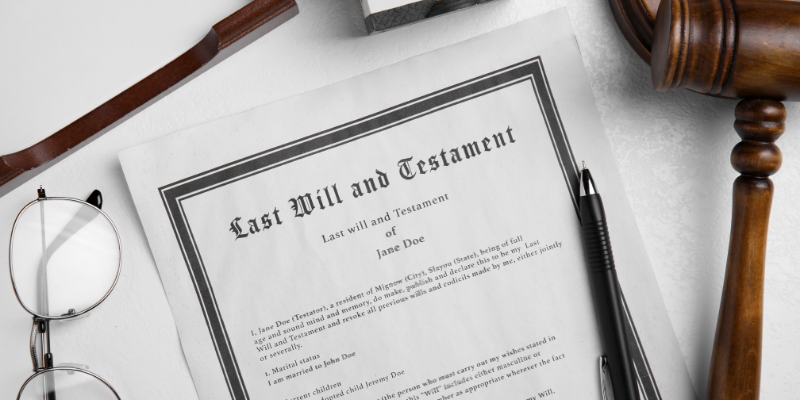
Navigating the complexities of property sales in Ohio, especially when multiple heirs are involved, can be challenging. Understanding whether all heirs must agree to sell a property is crucial for a smooth transaction. This guide will delve into the nuances of Ohio’s real estate laws, offering insights into the rights and responsibilities of heirs. Whether you’re an heir looking to sell a family home or seeking clarity on inheritance disputes, this resource equips you with the knowledge needed to make informed decisions and ensure a seamless selling process.
Key Highlights
- Ohio property laws require unanimous consent of heirs before selling inherited real estate to prevent litigation.
- The probate process plays a critical role in managing and selling heir property, as outlined by the Ohio Revised Code.
- Heir property often creates challenges, necessitating consensus on major decisions to avoid costly estate litigation.
- An estate administrator facilitates asset distribution and must ensure compliance with legal frameworks and the wishes of the heirs.
- Effective communication and mediation among heirs are essential to address legal and emotional challenges in property sales.
Understanding Ohio’s Property Laws for Heirs
In Ohio, when selling inherited property, heirs face unique challenges under state law. These regulations are critical in ensuring the equitable distribution and transfer of property among heirs. Ohio’s property laws greatly influence how heirs can manage or sell shared assets. Delving into these laws will help all Ohio heirs understand their rights and obligations, ensuring a smoother process when handling these estate matters. We’ll explore the distinctive aspects of state-specific property regulations and define what constitutes heir property in Ohio, examining how these factors affect both estate management and property sales.
What Is Heir Property?

Heir property refers to real estate that is passed down to multiple family members after a death. This commonly occurs when a property is passed down to various heirs, and there are no instructions on how to split or sell it. In Ohio, it is essential to determine whether a property is heir property, as this directly affects the options available for the property.
In the case of multiple heirs owning a property, most significant decisions, including selling the property, require the consent of every owner. Without any planning or a decision-making structure, owners can and often do disagree, and that can significantly delay any action. In extreme cases, when the heirs are unable to reach an agreement, the dispute may result in legal action.
All heirs must comply with state mandates regarding real estate inheritance. These mandates clearly articulate the rights and obligations of each heir with respect to the property. Knowledge of how heir property is structured empowers families to sidestep confusion and disputes, and is essential to establishing what the heirs will do with the inherited house.
Do All Heirs Have to Agree to Sell Property in Ohio?
There are several factors to consider when dealing with multinomial heirs and the sale of familial property in Ohio. Selling processes can become complicated due to the overwhelming number of legal procedures, the requirement for every heir to participate, and the need for all heirs to unilaterally agree to the sale. Legal conflicts can easily arise when not understanding all the legal frameworks; however, understanding these frameworks can make selling estates and heir property a less daunting task. In this post, we will cover the required laws for selling heir property in Ohio and selling it without consensus.
Legal Requirements for Selling Heir Property
Each heir’s rights are protected during the sale of real estate in Ohio because of the specific legal steps involved. These are detailed in the Ohio Revised Code, which governs the handling of an estate and the legal methods for transferring or selling property after someone dies. Before any sale can be undertaken, the heirs must be aware of their ownership interests and the legal process involved.
One of the most critical steps involved is the probate process, which is overseen by the courts, to determine whether there is a will, whether there are any heirs, and to appoint a representative for the estate. In probate, the estate’s executor or administrator is responsible for reviewing the estate’s assets and, if any exist, paying the estate’s debts and taxes. Only after the estate has been probated can the estate be sold.
Additionally, to sell their property, the other heirs must agree to the sale. Under the law, a shareholder has the right to object to the sale and thus can delay or prevent it. There can be significant disagreement and frustration because of this, but it is designed to ensure that the rights of all heirs are protected.
To minimize delays and potential legal issues, heirs should collect relevant paperwork, check on the title, and obtain legal assistance as needed. When families grasp the balance between the administrator’s duties and the heirs’ rights, they can make better choices and work with more assurance. If the legal is in place, the sale will be more likely to proceed uninterrupted.
| Legal Requirements | Consensus Needed | Challenges Faced | Resolution Strategies |
| Probate process initiation | Approval from all heirs | Conflicting interests | Mediation services |
| Title clearance | Agreement on sale terms | Disputed property value | Formal appraisals |
| Heir documentation | Unified decision-making | Delayed communication | Regular meetings |
| Compliance with state laws | Shared financial responsibilities | Emotional attachments | Neutral third-party facilitator |
This table outlines the complexities and resolution methods in selling heir property with multiple stakeholders in Ohio, highlighting the need for legal understanding and cooperation among parties.
What Happens if Not All Heirs Agree?
Sometimes, the process of selling an inherited property can stall when the heir refuses to sign the sale documents. In most Ohio inheritance cases, the heirs must reach a unanimous agreement. Therefore, one signature refusal can delay the sale and, in some cases, create sibling rivalry. And, of course, financial concerns, emotional attachments to the inherited property, and disagreements about the property can lead to differences.
The first step in Ohio inheritance property is negotiating. Reaching out to the heirs directly is the most effective way to determine whether everyone still agrees on the objective of avoiding a hostile closure to the family’s inheritance and whether they want to compromise. Working family relationships is the goal of mediation.
Litigation is the most costly and time-consuming aspect of inheritance cases. So, once the other options have been exhausted, in Ohio, the estate can still be litigated in a way that leaves the estate in the Ohio state court and lets the heirs deal with the estate in pieces that determine the total value of the estate, or let the heirs choose to sell the estate or divide the inherited estate.
The heir can also consider practical alternatives that resolve the issue without starting a lawsuit. One option might be for one heir to buy out another’s interest in the property, thus the property can be sold or kept without the necessity of unanimous agreement. Some cases may allow a court-ordered partition, but this route is often more complicated and may entail additional legal costs.
Detailed communication and advanced planning can often bear positive results. Generally, if one understands each heir’s concerns and potential solutions early on, the family can sidestep prolonged disagreements and move toward a more straightforward, agreeable selling process.
The Process of an Estate Sale in Ohio
For heirs dealing with inherited property, estate sales can be tricky, but understanding the process in Ohio can be beneficial. With the assistance of legal professionals, estate sales are broken down into management and operational stages, all of which are governed by the state of Ohio. Each estate has an estate administrator who manages the decedent’s estate and ensures all obligations are fulfilled. Also, the decedent’s heirs must provide their consent for the estate in question to be prepped for sale. Heirs who are knowledgeable of these elements are better positioned to manage the sale of heir property and to mitigate potential conflicts and delays.
Responsibilities of the Estate Administrator

The estate administrator, also known as an executor, manages the estate and ensures the decedent’s wishes are carried out. In Ohio, the first responsibility of an estate administrator is to start probate, which involves validating the will, granting the estate administrator authority to act, and enumerating the estate’s real property and other assets.
The estate administrator has a primary responsibility involving the estate’s financial and legal obligations. All assets must be examined. Debts and taxes need to be paid. These processes need to be recorded. These obligations can delay property sales and lead to disputes among heirs.
Estate administrators must communicate. Selling inherited property must be agreed to by all heirs, and estate administrators coordinate what will be discussed. They also communicate the options. This can also keep people from misjudging each other.
In some situations, administrators partner with attorneys and accountants to ensure compliance with state regulations and mitigate potential financial losses. Knowledge of tax implications, real estate rules, and contractual obligations safeguards the estate and the heirs’ interests. An estate administrator ensures the estate is managed correctly and that its sale proceeds without unnecessary delays.
Steps to Prepare for a Property Sale
When you create a transparent process for selling inherited property in Ohio, you will likely experience less stress and a greater likelihood of a quick, simple sale. Follow the organized steps first; they will help you in many ways and minimize or even eliminate stress for the heirs.
Before the estate can be sold or anything even close to selling it, you need to assess the financial and the estate’s legal position. Are there outstanding debts or liens? Also, do you have to pay taxes on the estate? Having these documents first will help you avoid delays in selling the estate.
Before you even list the estate, do a property listing inspection; some estates still have legal or tax issues to address. When you list the estate, you want the opportunities to negotiate to be there, and you want to avoid negotiations falling apart.
From property taxes and estate obligations to the local housing market, there is a lot to research. There is a lot to research for the estate and for the local housing market. Knowing the local housing market can give more opportunities for potential buyers to finish the sale process.
When selling inherited property, Ohio heirs will need to work together to prepare legally and financially, so collaboration and clear communication are essential. Prepare for any conflicts. Mediation can help set goals and stay on track.
Last but not least, make sure all documents are complete, organized, and ready to go before listing the property, including titles, probate documents, disclosures, and contracts. Good documentation will safeguard the estate, minimize hold-ups, and increase the chances of closing the transaction.
Navigating the Real Estate Market for Inherited Properties
Owning inherited property in Ohio comes with a variety of challenges. Estate sales are not very straightforward. All heirs must reach an agreement, and specific legal procedures must be followed. Selling inherited property in Ohio can be challenging, but these challenges can be avoided with a deal among all property owners and a helpful executor or administrator. Each step in the process of selling inherited property in Ohio will require a strategy. What are some strategies that help overcome challenges in the process of selling inherited property in Ohio?
How to Sell Property Successfully
Selling inherited property in Ohio involves both legal matters and family issues. First, there needs to be a confirmation of legal ownership and legal power to sell it, which in most cases goes through probate with an executor or an administrator. Before anything is listed, all heirs need to discuss and plan what will happen, as Ohio law requires all heirs to be on board. Starting with a group discussion greatly increases the likelihood of success at this level.
There are legal and financial issues that bind inherited real estate that must be understood as well. There are estate laws, taxes, and some local laws that regulate when and how a property can be sold. Heirs seeking guidance and to stay on the right side of the law will need to speak with a legal or financial expert. The same goes for a professional appraisal to establish fair market value, which is the best guide for everyone.
Taking the time to prepare the property can pay off big. Taking care of maintenance, getting inspections done, and organizing all the paperwork prepares and prevents problems that could arise in the negotiation process. A well-prepared property can sell quickly and will improve the buyer’s experience.
Lastly, a successful sale relies on precise documentation and a legally binding contract that accommodates all the heirs’ needs. Following the outlined steps with attention to detail protects all interested parties and lessens the chances of future conflicts. With proper planning and the help of a professional, heirs can conduct a property sale that upholds the wishes behind the inheritance.
Common Challenges in Real Estate Sales

Selling an inherited property can get complicated, especially when multiple heirs are involved. One of the main obstacles is the need for some level of consensus among heirs, which is common in most property sales in Ohio. Differing opinions, financial goals, or emotional attachments to the home can really slow the process and create tension if these issues are not addressed early. Open, collaborative problem-solving, and, when needed, mediation, can really help a family reach the same decision.
Another complication is that there are legal and probate ramifications for inherited property. Heirs may have to defend claims of ownership, settle unresolved financial obligations, and handle tax issues before they can sell the property. To avoid the legal entanglements that can arise from improper property disposal, many families rely on legal expertise in Ohio estate and property law.
Financial issues can also affect the timeline. Some inherited homes come with unpaid taxes, liens, or maintenance costs that must be handled before selling. These expenses can add pressure, especially if heirs want to sell quickly. In situations like this, working with Cleveland House Buyers, a local cash house-buying company in Ohio that helps homeowners in Cleveland sell fast for cash, can simplify the process by purchasing properties as-is and reducing delays. Contact us at (440) 577-6552 today!
In short, selling inherited property in Ohio can involve legal, financial, and emotional challenges. However, with clear communication, proper guidance, and the right support, heirs can overcome obstacles and complete a sale that meets legal requirements and respects family relationships.
FAQs
Do all heirs need to agree to sell an inherited property in Ohio?
Yes, Ohio law requires unanimous consent from all heirs before selling an inherited property. This ensures the protection of each heir’s rights and interests, preventing potential legal disputes.
What legal steps are necessary to sell an inherited property in Ohio?
The legal steps include initiating and completing the probate process, securing unanimous heir consent, settling any debts or taxes, and complying with Ohio’s property laws as outlined in the Ohio Revised Code.
How can heirs resolve disagreements about selling inherited property?
Heirs can use mediation to resolve disagreements and align interests. If this fails, estate litigation may be necessary, though it’s often costly and time-consuming.
What role does the estate administrator play in selling heir property?
The estate administrator oversees the probate process to authenticate the will, ensures compliance with legal requirements, facilitates agreement among the heirs, and manages the distribution of assets in accordance with the decedent’s wishes.
What are the challenges of selling an inherited property in Ohio?
Challenges include gaining unanimous consent from all heirs, understanding complex property laws, managing emotional attachments, navigating financial obligations, and ensuring effective communication among heirs.
Helpful Ohio Blog Articles
- How to Sell an Apartment in Ohio
- How to Avoid Closing Costs in Ohio
- Can My Ex-Partner Sell Our House Without My Approval in Ohio?
- Do All Heirs Have to Agree to Sell Property in Ohio?
- How to Sell a Condemned House in Ohio
- Does a Seller Pay Closing Costs in Ohio?
- Selling a House with Delinquent Property Taxes in Ohio
- How to Sell a Rental Property in Ohio